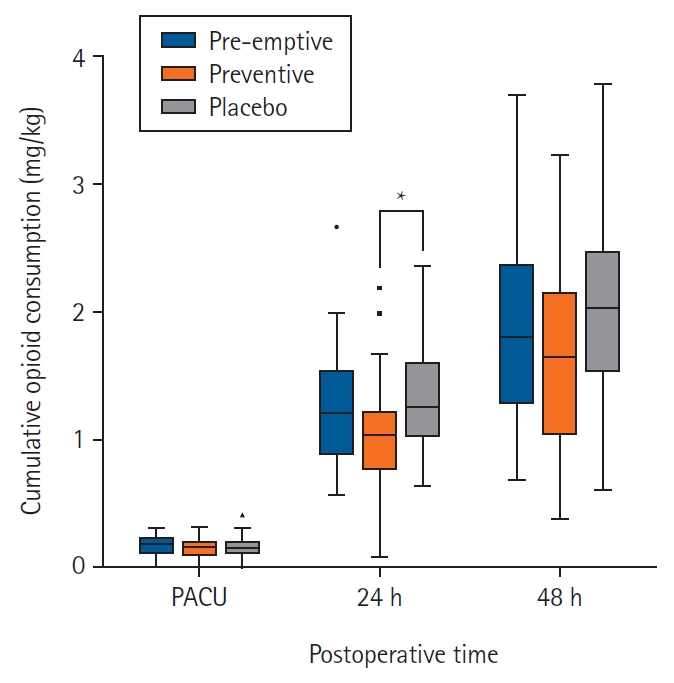
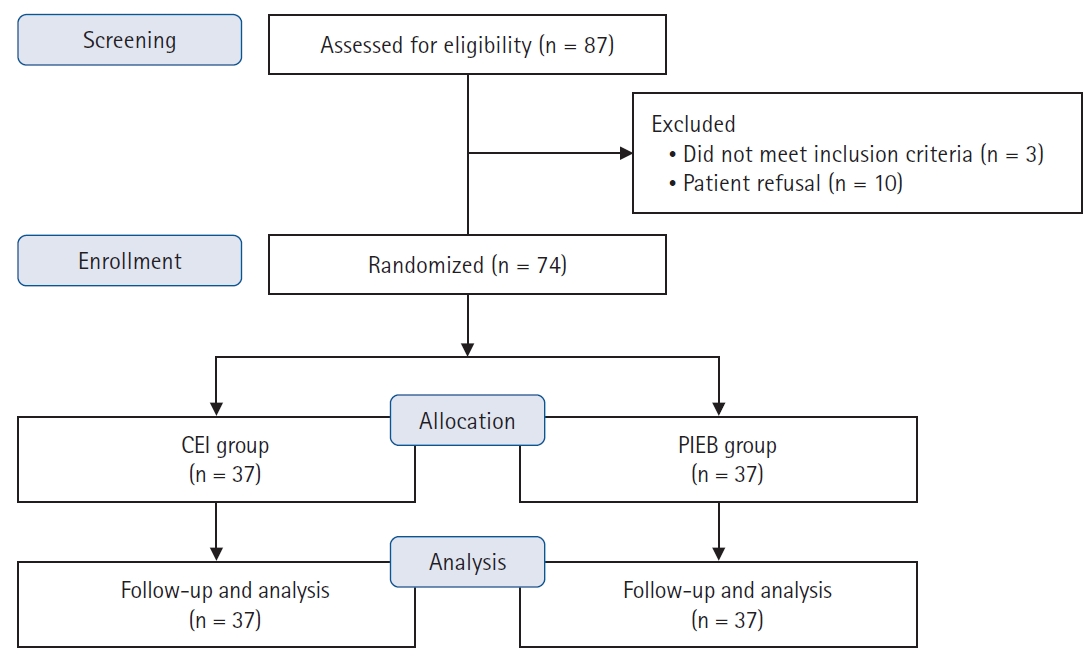
- Opioid-based versus opioid-sparing patient-controlled analgesia using ketorolac and nefopam after total knee arthroplasty: a randomized, double-blind, non-inferiority trial
- Jiwon Han, Haesun Jung, Min Kyoung Kim, Yong-Beom Park, Seihee Min
- Korean J Anesthesiol. 2026;79(2):213-223.
- Review Article
- Heterogeneity in meta-analyses: an unavoidable challenge worth exploring
- Geun Joo Choi, Hyun Kang
- Korean J Anesthesiol. 2025;78(4):301-314. Published online February 14, 2025
-
Heterogeneity is a critical but unavoidable aspect of meta-analyses that reflects differences in study outcomes beyond what is expected by chance. These variations arise from differences in the study populations, interventions, methodologies, and measurement tools and can influence key meta-analytical outputs, including pooled effect sizes, confidence intervals, and overall conclusions. Systematic reviews and meta-analyses combine evidence from diverse studies; thus, a clear understanding of heterogeneity is necessary for reliable and meaningful interpretations of the results. This review examines the concepts, sources, measurement techniques, and implications of this heterogeneity. Statistical tools (e.g., Cochran’s Q, I2, and τ2) quantify heterogeneity, whereas τ and prediction intervals, as they use the same units, aid in the intuitive understanding of heterogeneity. The choice between fixed- and random-effects models can also significantly affect the handling and interpretation of heterogeneity in meta-analyses. Effective management strategies include subgroup analyses, sensitivity analyses, and meta-regressions, which identify sources of variability and strengthen the robustness of the findings. Although heterogeneity complicates the synthesis of a single effect size, it offers valuable insights into patterns and differences among studies. Recognizing and understanding heterogeneity is vital for accurately synthesizing the evidence, which can indicate whether an intervention has consistent effects, benefits, or harms. Rather than viewing heterogeneity as inherently good or bad, researchers and clinicians should consider it a key component of systematic reviews and meta-analyses, allowing for a deeper understanding and more nuanced application of pooled findings. Addressing heterogeneity ultimately enhances the reliability, applicability, and overall impact of the conclusions of meta-analyses.
- Surgical pleth index monitoring in perioperative pain management: usefulness and limitations
- Seok Kyeong Oh, Young Ju Won, Byung Gun Lim
- Korean J Anesthesiol. 2024;77(1):31-45. Published online March 17, 2023
-
Surgical pleth index (SPI) monitoring is a representative, objective nociception-monitoring device that measures nociception using photoplethysmographic signals. It is easy to apply to patients and the numerical calculation formula is intuitively easy to understand; therefore, its clinical interpretation is simple. Several studies have demonstrated its efficacy and utility. Compared with hemodynamic parameters, the SPI can detect the degree of nociception during surgery under general anesthesia with greater accuracy, and therefore can provide better guidance for the administration of various opioids, including remifentanil, fentanyl, and sufentanil. Indeed, SPI-guided analgesia is associated with lower intraoperative opioid consumption, faster patient recovery, and comparable or lower levels of postoperative pain and rates of adverse events compared with conventional analgesia. In addition, SPI monitoring allows for the degree of postoperative pain and analgesic requirements to be predicted through the SPI values immediately before patient arousal. However, because patient age, effective circulating volume, position, concomitant medication and anesthetic regimen and level of consciousness may be confounding factors in SPI monitoring, clinicians must be careful when interpreting SPI values. In addition, as SPI values can differ depending on anesthetic and analgesic regimens and the underlying disease, an awareness of the effects of these variables with an understanding of the advantages and disadvantages of SPI monitoring compared to other nociception monitoring devices is essential. Therefore, this review aimed to help clinicians perform optimal SPI-guided analgesia and to assist with the establishment of future research designs through clarifying current usefulness and limitations of SPI monitoring in perioperative pain management.
- Experimental Research Article
- Comparison of the median and intermediate approaches to the ultrasound-guided sacral erector spinae plane block: a cadaveric and radiologic study
- Bilge Olgun Keleş, Necati Salman, Elvan Tekir Yılmaz, Habip Resul Birinci, Alparslan Apan, Selami İnce, Ali Faruk Özyaşar, Aysun Uz
- Korean J Anesthesiol. 2024;77(1):156-163. Published online November 15, 2023
-
Background
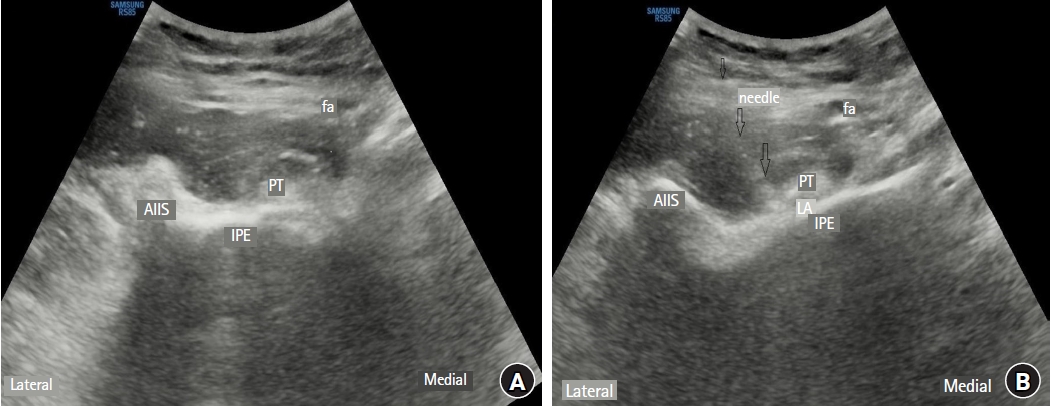
Erector spinae plane block (ESPB) is a well-established method for managing postoperative and chronic pain. ESPB applications for the sacral area procedures are called sacral ESPBs (SESPBs). This cadaveric study aimed to determine the distribution of local anesthesia using the median and intermediate approaches to the SESPB.
Methods
Four cadavers were categorized into the median and intermediate approach groups. Ultrasound-guided SESPBs were performed using a mixture of radiopaque agents and dye. Following confirmation of the solution distribution through computed tomography (CT), the cadavers were dissected to observe the solution distribution.
Results
CT images of the median group demonstrated subcutaneous pooling of the radiopaque solution between the S1 and S5 horizontal planes. Radiopaque solution also passed from the sacral foramina to the anterior sacrum via the spinal nerves between S2 and S5. In the intermediate group, the solution distribution was observed along the bilateral erector spinae muscle between the L2 and S3 horizontal planes; no anterior transition was detected. Dissection in the median group revealed blue solution distribution in subcutaneous tissue between horizontal planes S1 and S5, but no distribution in superficial fascia or muscle. In the intermediate group, red solution was detected in the erector spinae muscle between the L2 and S3 intervertebral levels.
Conclusions
Radiologic and anatomic findings revealed the presence of radiopaque dye in the superficial and erector spinae compartments in both the median and intermediate groups. However, anterior transition of the radiopaque dye was detected only in the median group.
- Clinical Research Articles
- The incidences of nausea and vomiting after general anesthesia with remimazolam versus sevoflurane: a prospective randomized controlled trial
- Yeong Min Yoo, Jae Hong Park, Ki Hwa Lee, Ah Hyeon Yi, Tae Kyun Kim
- Korean J Anesthesiol. 2024;77(4):441-449. Published online April 19, 2024
-
Background
Postoperative nausea and vomiting (PONV) refers to nausea and vomiting that occurs within 24-h after surgery or in the post-anesthesia care unit (PACU). Previous studies have reported that the use of remimazolam, a newer benzodiazepine (BDZ) hypnotic, for anesthesia results in less PONV. In this study, we compared the rate of PONV between sevoflurane and remimazolam after general anesthesia.
Methods
In this prospective randomized controlled trial, participants aged 20–80 years who underwent elective laparoscopic cholecystectomy or hemicolectomy were randomized to either the remimazolam or sevoflurane group. The primary outcome was PONV incidence for 24-h after surgery. Secondary outcomes comprised of PONV at 30-min post-surgery, postoperative additional antiemetic use, and Quality of Recovery-15 (QOR-15) score at 24-h postoperatively.
Results
Forty patients were enrolled in the study. The remimazolam group exhibited significantly lower rates of PONV for 24-h after surgery than did the sevoflurane group (remimazolam group vs. sevoflurane group; 5% vs. 45%, P = 0.003, respectively). The use of dexamethasone, a rescue antiemetic administered within 24 h of surgery, was substantially lower in the remimazolam group than in the sevoflurane group (0% in remimazolam vs. 30% in sevoflurane, P = 0.020). The QOR-15 score at 24-h after surgery showed no significant difference between the two groups.
Conclusions
Compared to sevoflurane, opting for remimazolam as an intraoperative hypnotic may decrease the incidence of PONV and reduce antiemetic use for 24 h after laparoscopic surgery.
- Statistical Round
- Alternatives to the P value: connotations of significance
- Junyong In, Dong Kyu Lee
- Korean J Anesthesiol. 2024;77(3):316-325. Published online April 29, 2024
-
The statistical significance of a clinical trial analysis result is determined by a mathematical calculation and probability based on null hypothesis significance testing. However, statistical significance does not always align with meaningful clinical effects; thus, assigning clinical relevance to statistical significance is unreasonable. A statistical result incorporating a clinically meaningful difference is a better approach to present statistical significance. Thus, the minimal clinically important difference (MCID), which requires integrating minimum clinically relevant changes from the early stages of research design, has been introduced. As a follow-up to the previous statistical round article on P values, confidence intervals, and effect sizes, in this article, we present hands-on examples of MCID and various effect sizes and discuss the terms statistical significance and clinical relevance, including cautions regarding their use.
- Comprehensive guidelines for appropriate statistical analysis methods in research
- Jonghae Kim, Dong Hyuck Kim, Sang Gyu Kwak
- Korean J Anesthesiol. 2024;77(5):503-517. Published online August 30, 2024
-
Background
The selection of statistical analysis methods in research is a critical and nuanced task that requires a scientific and rational approach. Aligning the chosen method with the specifics of the research design and hypothesis is paramount, as it can significantly impact the reliability and quality of the research outcomes.
Methods
This study explores a comprehensive guideline for systematically choosing appropriate statistical analysis methods, with a particular focus on the statistical hypothesis testing stage and categorization of variables. By providing a detailed examination of these aspects, this study aims to provide researchers with a solid foundation for informed methodological decision making. Moving beyond theoretical considerations, this study delves into the practical realm by examining the null and alternative hypotheses tailored to specific statistical methods of analysis. The dynamic relationship between these hypotheses and statistical methods is thoroughly explored, and a carefully crafted flowchart for selecting the statistical analysis method is proposed.
Results
Based on the flowchart, we examined whether exemplary research papers appropriately used statistical methods that align with the variables chosen and hypotheses built for the research. This iterative process ensures the adaptability and relevance of this flowchart across diverse research contexts, contributing to both theoretical insights and tangible tools for methodological decision-making.
Conclusions
This study emphasizes the importance of a scientific and rational approach for the selection of statistical analysis methods. By providing comprehensive guidelines, insights into the null and alternative hypotheses, and a practical flowchart, this study aims to empower researchers and enhance the overall quality and reliability of scientific studies.
- Clinical Research Articles
- Association of preoperative blood glucose level with delirium after non-cardiac surgery in diabetic patients
- Soo Jung Park, Ah Ran Oh, Jong-Hwan Lee, Kwangmo Yang, Jungchan Park
- Korean J Anesthesiol. 2024;77(2):226-235. Published online January 4, 2024
-
Background
Hyperglycemia has shown a negative association with cognitive dysfunction. We analyzed patients with high preoperative blood glucose level and hemoglobin A1c (HbA1c) level to determine the prevalence of postoperative delirium.
Methods
We reviewed a database of 23,532 patients with diabetes who underwent non-cardiac surgery. Acute hyperglycemia was defined as fasting blood glucose > 140 mg/dl or random glucose > 180 mg/dl within 24 h before surgery. Chronic hyperglycemia was defined as HbA1c level above 6.5% within three months before surgery. The incidence of delirium was compared according to the presence of acute and chronic hyperglycemia.
Results
Of the 23,532 diabetic patients, 21,585 had available preoperative blood glucose level within 24 h before surgery, and 18,452 patients reported levels indicating acute hyperglycemia. Of the 8,927 patients with available HbA1c level within three months before surgery, 5,522 had levels indicating chronic hyperglycemia. After adjustment with inverse probability weighting, acute hyperglycemia was related to higher incidence of delirium (hazard ratio: 1.33, 95% CI [1.10,1.62], P = 0.004 for delirium) compared with controls without acute hyperglycemia. On the other hand, chronic hyperglycemia did not correlate with postoperative delirium.
Conclusions
Preoperative acute hyperglycemia was associated with postoperative delirium, whereas chronic hyperglycemia was not significantly associated with postoperative delirium. Irrespective of chronic hyperglycemia, acute glycemic control in surgical patients could be crucial for preventing postoperative delirium.
- Letters to the Editor
- Serratus posterior superior intercostal plane block: novel block for minimal invasive cardiac surgery -A report of three cases-
- Bora Bilal, Bahadir Ciftci, Selcuk Alver, Ali Ahiskalioglu, Serkan Tulgar
- Korean J Anesthesiol. 2024;77(1):166-168. Published online October 18, 2023
- Review Articles
- Intraoperative pediatric electroencephalography monitoring: an updated review
- Ian Yuan, Choon L. Bong, Jerry Y. Chao
- Korean J Anesthesiol. 2024;77(3):289-305. Published online January 17, 2024
-
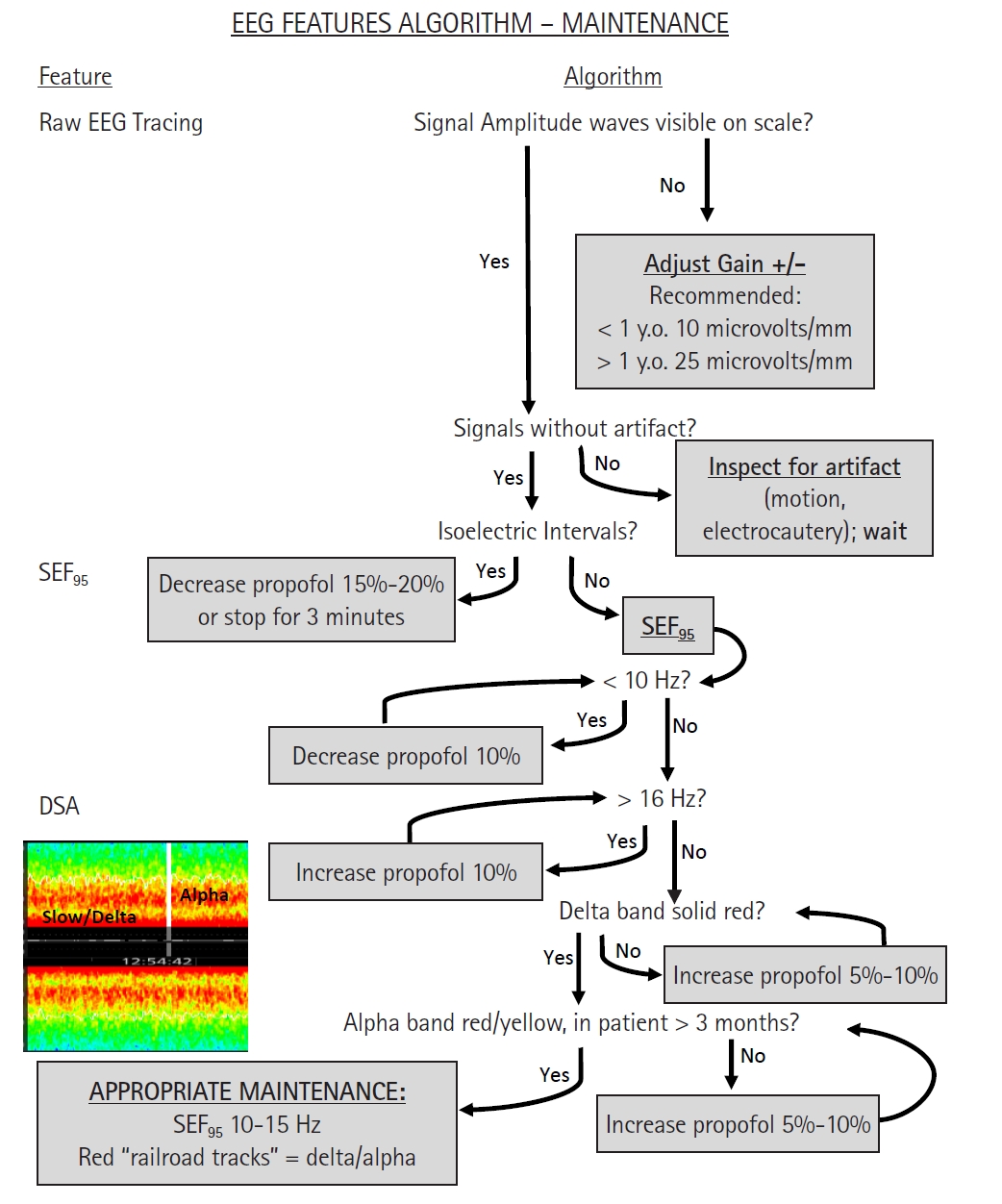
Intraoperative electroencephalography (EEG) monitoring under pediatric anesthesia has begun to attract increasing interest, driven by the availability of pediatric-specific EEG monitors and the realization that traditional dosing methods based on patient movement or changes in hemodynamic response often lead to imprecise dosing, especially in younger infants who may experience adverse events (e.g., hypotension) due to excess anesthesia. EEG directly measures the effects of anesthetics on the brain, which is the target end-organ responsible for inducing loss of consciousness. Over the past ten years, research on anesthesia and computational neuroscience has improved our understanding of intraoperative pediatric EEG monitoring and expanded the utility of EEG in clinical practice. We now have better insights into neurodevelopmental changes in the developing pediatric brain, functional connectivity, the use of non-proprietary EEG parameters to guide anesthetic dosing, epileptiform EEG changes during induction, EEG changes from spinal/regional anesthesia, EEG discontinuity, and the use of EEG to improve clinical outcomes. This review article summarizes the recent literature on EEG monitoring in perioperative pediatric anesthesia, highlighting several of the topics mentioned above.
- Clinical Research Articles
- Comparison of remimazolam and desflurane in emergence agitation after general anesthesia for nasal surgery: a prospective randomized controlled study
- Sung-Ae Cho, So-min Ahn, Woojin Kwon, Tae-Yun Sung
- Korean J Anesthesiol. 2024;77(4):432-440. Published online May 7, 2024
-
Background
Remimazolam is an ultrashort-acting benzodiazepine. Few studies have evaluated the effects of remimazolam-based total intravenous anesthesia (TIVA) on emergence agitation (EA). This study aimed to compare the incidence and severity of EA between TIVA using remimazolam and desflurane.
Methods
This prospective randomized controlled study enrolled 76 patients who underwent nasal surgery under general anesthesia. Patients were randomized into two groups of 38 each: desflurane-nitrous oxide (N2O) (DN) and remimazolam-remifentanil (RR) groups. The same protocol was used for each group from induction to emergence, except for the use of different anesthetics during maintenance of anesthesia according to the assigned group: desflurane and nitrous oxide for the DN group and remimazolam and remifentanil for the RR group. The incidence of EA as the primary outcome was evaluated using three scales: Ricker Sedation-Agitation Scale, Richmond Agitation-Sedation Scale, and Aono’s four-point agitation scale. Additionally, hemodynamic changes during emergence and postoperative sense of suffocation were compared.
Results
The incidence of EA was significantly lower in the RR group than in the DN group in all three types of EA assessment scales (all P < 0.001). During emergence, the change in heart rate differed between the two groups (P = 0.002). The sense of suffocation was lower in the RR group than in the DN group (P = 0.027).
Conclusions
RR reduced the incidence and severity of EA in patients undergoing nasal surgery under general anesthesia. In addition, RR was favorable for managing hemodynamics and postoperative sense of suffocation.
- Effects of opioid-sparing general anesthesia on postoperative nausea and vomiting in laparoscopic gynecological surgery
- Sun Woo Nam, Sang-Hwan Do, Jung-Won Hwang, Insun Park, Insung Hwang, Hyo-Seok Na
- Korean J Anesthesiol. 2024;77(6):605-613. Published online August 23, 2024
-
Background
In this study, we aimed to investigate whether opioid-sparing anesthesia (OSA) reduces postoperative nausea and vomiting (PONV) in patients undergoing laparoscopic gynecological surgery.
Methods
Adult patients undergoing elective laparoscopic gynecological surgery were randomly assigned to either the opioid-using anesthesia (OUA) or the OSA groups. In the OUA group, remifentanil was administered as an opioid during general anesthesia. In the OSA group, apart from a single dose of 5 μg/kg of alfentanil for tracheal intubation, no other opioids were used. In both groups, a multimodal intravenous non-opioid analgesic regimen was used preferentially in the post-anesthesia care unit (PACU). The primary outcome was the incidence of PONV, assessed by symptoms until the postoperative day 1.
Results
A total of 120 patients were included in this study. The incidence of nausea in the PACU was significantly lower in the OSA group compared to in the OUA group (31.7% in the OSA group vs. 51.7% in the OUA group, P = 0.026). Pain scores and the incidence of opioid analgesic administration were lower in the OSA group during PACU stay, resulting in a significantly lower number of patients requiring rescue opioid analgesics (3.3% vs. 18.3%, P = 0.008). There were no significant differences in intraoperative vital signs, hemodynamic interventions, or duration of PACU and hospital stay between the two groups.
Conclusions
OSA significantly reduced postoperative nausea, pain scores, and the need for rescue analgesics in the PACU without increasing hemodynamic instability in patients undergoing laparoscopic gynecological surgery.
- Review Articles
- Korean clinical practice guidelines for diagnostic and procedural sedation
- Sang-Hyun Kim, Young-Jin Moon, Min Suk Chae, Yea-Ji Lee, Myong-Hwan Karm, Eun-Young Joo, Jeong-Jin Min, Bon-Nyeo Koo, Jeong-Hyun Choi, Jin-Young Hwang, Yeonmi Yang, Min A Kwon, Hyun Jung Koh, Jong Yeop Kim, Sun Young Park, Hyunjee Kim, Yang-Hoon Chung, Na Young Kim, Sung Uk Choi
- Korean J Anesthesiol. 2024;77(1):5-30. Published online November 16, 2023
-
Safe and effective sedation depends on various factors, such as the choice of sedatives, sedation techniques used, experience of the sedation provider, degree of sedation-related education and training, equipment and healthcare worker availability, the patient’s underlying diseases, and the procedure being performed. The purpose of these evidence-based multidisciplinary clinical practice guidelines is to ensure the safety and efficacy of sedation, thereby contributing to patient safety and ultimately improving public health. These clinical practice guidelines comprise 15 key questions covering various topics related to the following: the sedation providers; medications and equipment available; appropriate patient selection; anesthesiologist referrals for high-risk patients; pre-sedation fasting; comparison of representative drugs used in adult and pediatric patients; respiratory system, cardiovascular system, and sedation depth monitoring during sedation; management of respiratory complications during pediatric sedation; and discharge criteria. The recommendations in these clinical practice guidelines were systematically developed to assist providers and patients in sedation-related decision making for diagnostic and therapeutic examinations or procedures. Depending on the characteristics of primary, secondary, and tertiary care institutions as well as the clinical needs and limitations, sedation providers at each medical institution may choose to apply the recommendations as they are, modify them appropriately, or reject them completely.
- Clinical Research Articles
- Effects of remimazolam versus dexmedetomidine on recovery after transcatheter aortic valve replacement under monitored anesthesia care: a propensity score-matched, non-inferiority study
- Ji-Hyeon Kim, Jae-Sik Nam, Wan-Woo Seo, Kyung-Woon Joung, Ji-Hyun Chin, Wook-Jong Kim, Dae-Kee Choi, In-Cheol Choi
- Korean J Anesthesiol. 2024;77(5):537-545. Published online July 23, 2024
-
Background
Minimalist transcatheter aortic valve replacement (TAVR) under monitored anesthesia care (MAC) emphasizes early recovery. Remimazolam is a novel benzodiazepine with a short recovery time. This study hypothesized that remimazolam is non-inferior to dexmedetomidine in terms of recovery after TAVR.
Methods
In this retrospective observational study, remimazolam was compared to dexmedetomidine in patients who underwent TAVR under MAC at a tertiary academic hospital between July 2020 and July 2022. The primary outcome was timely recovery after TAVR, defined as discharge from the intensive care unit within the first day following the procedure. Propensity score matching was used to compare timely recovery between remimazolam and dexmedetomidine, applying a non-inferiority margin of -10%.
Results
The study included 464 patients, of whom 218 received remimazolam and 246 received dexmedetomidine. After propensity score matching, 164 patients in each group were included in the analysis. Regarding timely recovery after TAVR, remimazolam was non-inferior to dexmedetomidine (152 of 164 [92.7%] in the remimazolam group versus 153 of 164 [93.3%] in the dexmedetomidine group, risk difference [95% CI]: −0.6% [−6.7%, 5.5%]). The use of remimazolam was associated with fewer postoperative vasopressors/inotropes (21 of 164 [12.8%] vs. 39 of 164 [23.8%]) and temporary pacemakers (TPMs) (76 of 164 [46.3%] vs. 108 of 164 [65.9%]) compared to dexmedetomidine.
Conclusions
In patients undergoing TAVR under MAC, remimazolam was non-inferior to dexmedetomidine in terms of timely recovery. Remimazolam may be associated with better postoperative recovery profiles, including a lesser need for vasopressors/inotropes and TPMs.
- Review Article
- Tranexamic acid - a promising hemostatic agent with limitations: a narrative review
- Dong Joon Kim, Su Yeon Cho, Ki Tae Jung
- Korean J Anesthesiol. 2024;77(4):411-422. Published online August 21, 2023
-
Tranexamic acid (TXA) is a synthetic antifibrinolytic agent that has been used for several decades to reduce blood loss during surgery and after trauma. TXA was traditionally used to reduce bleeding in various clinical settings such as menorrhagia, hemophilia, or other bleeding disorder. Numerous studies have demonstrated the efficacy of TXA in reducing blood loss and the need for transfusions. Interest in the potential applications of TXA beyond its traditional use has been growing recently, with studies investigating the use of TXA in postpartum hemorrhage, cardiac surgery, trauma, neurosurgery, and orthopedic surgery. Despite its widespread use and expanding indications, data regarding the safe and appropriate use of TXA is lacking. Recent clinical trials have found various potential risks and limitations in the long-term benefits of TXA. This narrative review summarizes the clinical applications and limitations of TXA.
- Clinical Research Articles
- Machine learning model of facial expression outperforms models using analgesia nociception index and vital signs to predict postoperative pain intensity: a pilot study
- Insun Park, Jae Hyon Park, Jongjin Yoon, Hyo-Seok Na, Ah-Young Oh, Junghee Ryu, Bon-Wook Koo
- Korean J Anesthesiol. 2024;77(2):195-204. Published online January 5, 2024
-
Background
Few studies have evaluated the use of automated artificial intelligence (AI)-based pain recognition in postoperative settings or the correlation with pain intensity. In this study, various machine learning (ML)-based models using facial expressions, the analgesia nociception index (ANI), and vital signs were developed to predict postoperative pain intensity, and their performances for predicting severe postoperative pain were compared.
Methods
In total, 155 facial expressions from patients who underwent gastrectomy were recorded postoperatively; one blinded anesthesiologist simultaneously recorded the ANI score, vital signs, and patient self-assessed pain intensity based on the 11-point numerical rating scale (NRS). The ML models’ area under the receiver operating characteristic curves (AUROCs) were calculated and compared using DeLong’s test.
Results
ML models were constructed using facial expressions, ANI, vital signs, and different combinations of the three datasets. The ML model constructed using facial expressions best predicted an NRS ≥ 7 (AUROC 0.93) followed by the ML model combining facial expressions and vital signs (AUROC 0.84) in the test-set. ML models constructed using combined physiological signals (vital signs, ANI) performed better than models based on individual parameters for predicting NRS ≥ 7, although the AUROCs were inferior to those of the ML model based on facial expressions (all P < 0.050). Among these parameters, absolute and relative ANI had the worst AUROCs (0.69 and 0.68, respectively) for predicting NRS ≥ 7.
Conclusions
The ML model constructed using facial expressions best predicted severe postoperative pain (NRS ≥ 7) and outperformed models constructed from physiological signals.
- Experimental Research Article
- Learning with our peers: peer-led versus instructor-led debriefing for simulated crises, a randomized controlled trial
- Morgan Jaffrelot, Sylvain Boet, Yolande Floch, Nitan Garg, Daniel Dubois, Violaine Laparra, Lionel Touffet, M. Dylan Bould
- Korean J Anesthesiol. 2024;77(2):265-272. Published online March 29, 2024
-
Background
Although peer-assisted learning is known to be effective for reciprocal learning in medical education, it has been understudied in simulation. We aimed to assess the effectiveness of peer-led compared to instructor-led debriefing for non-technical skill development in simulated crisis scenarios.
Methods
Sixty-one undergraduate medical students were randomized into the control group (instructor-led debriefing) or an intervention group (peer debriefer or peer debriefee group). After the pre-test simulation, the participants underwent two more simulation scenarios, each followed by a debriefing session. After the second debriefing session, the participants underwent an immediate post-test simulation on the same day and a retention post-test simulation two months later. Non-technical skills for the pre-test, immediate post-test, and retention tests were assessed by two blinded raters using the Ottawa Global Rating Scale (OGRS).
Results
The participants’ non-technical skill performance significantly improved in all groups from the pre-test to the immediate post-test, with changes in the OGRS scores of 15.0 (95% CI [11.4, 18.7]) in the instructor-led group, 15.3 (11.5, 19.0) in the peer-debriefer group, and 17.6 (13.9, 21.4) in the peer-debriefee group. No significant differences in performance were found, after adjusting for the year of medical school training, among debriefing modalities (P = 0.147) or between the immediate post-test and retention test (P = 0.358).
Conclusions
Peer-led debriefing was as effective as instructor-led debriefing at improving undergraduate medical students’ non-technical skill performance in simulated crisis situations. Peer debriefers also improved their simulated clinical skills. The peer debriefing model is a feasible alternative to the traditional, costlier instructor model.
- Clinical Research Articles
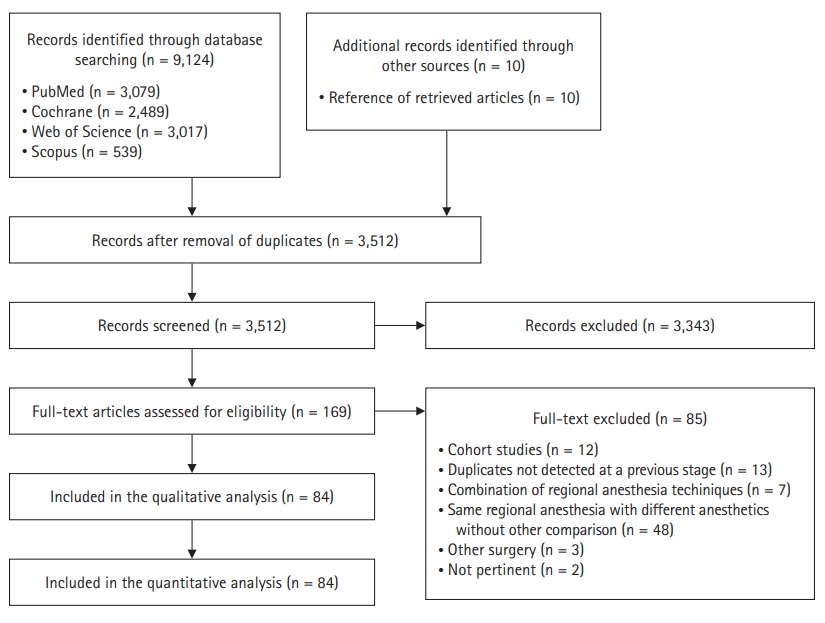
- The effect of non-steroidal anti-inflammatory drugs on postoperative delirium: a meta-analysis
- Su Yeon Kim, Hyo-Seok Na, Jung-Hee Ryu, Hyun-Jung Shin
- Korean J Anesthesiol. 2024;77(5):546-554. Published online August 6, 2024
-
Background
Neuroinflammation is postulated as a potential mechanism underlying postoperative delirium. This study aimed to investigate the impact of non-steroidal anti-inflammatory drug (NSAID) use on postoperative delirium.
Methods
We conducted a literature search in electronic databases, including PubMed, EMBASE, CENTRAL, and Web of Science, to identify eligible randomized controlled studies. The primary outcome was the incidence of postoperative delirium, and the secondary outcomes included pain scores and the amounts of opioid used at 24 h postoperatively. We estimated the effect size through calculating the odds ratios (ORs) or mean differences (MDs) with 95% CIs, as appropriate.
Results
In the analysis of eight studies involving 1,238 participants, the incidence of postoperative delirium was 11% and 19% in the NSAID and control groups, respectively, with a significant reduction in the NSAID group (OR: 0.54, 95% CI [0.38, 0.7], P = 0.0001, I2 = 0%). NSAID use had a significant effect on postoperative pain reduction (MD: −0.75, 95% CI [−1.37, −0.13], P = 0.0172, I2 = 88%). Significant lower postoperative opioid consumption was observed in the NSAID group (MD: −2.88, 95% CI [−3.54, −2.22], P = 0.0000; I2 = 0%).
Conclusions
NSAID administration reduced the incidence of postoperative delirium, severity of pain, and opioid dose used.
- Analgesic efficacy of the external oblique intercostal fascial plane block on postoperative acute pain in laparoscopic sleeve gastrectomy: a randomized controlled trial
- Elif Sarikaya Ozel, Cengiz Kaya, Esra Turunc, Yasemin B. Ustun, Halil Cebeci, Burhan Dost
- Korean J Anesthesiol. 2025;78(2):159-170. Published online January 21, 2025
-
Background
Laparoscopic sleeve gastrectomy (LSG) causes significant postoperative pain, necessitating effective multimodal analgesia strategies. This study evaluated the efficacy of the external oblique intercostal block (EOIB) in this context.
Methods
This prospective, randomized, controlled, single-blind study conducted between April and December 2023 included 60 patients who underwent LSG. Patients were divided into the EOIB (30 ml 0.25% bupivacaine/side) and control (no block) groups. The primary outcome was the cumulative intravenous morphine milligram equivalent (MME) consumption in the first 24 h postoperatively. Secondary outcomes included 12-h MME consumption, pain scores, intraoperative remifentanil use, rescue analgesia requirements, time to first analgesic request, nausea/vomiting scores, antiemetic use, and American Pain Society Patient Outcome Questionnaire-Revised Turkish Version (APS-POQ-R-TR) scores.
Results
The control group had significantly higher median opioid consumption than the EOIB group at 12 (14.4 vs. 5.8 mg; P < 0.001) and 24 h (25.9 vs. 10.6 mg; P < 0.001) postoperatively. The need for rescue analgesics did not differ significantly (43.3 vs. 23.3%; P = 0.1). The EOIB group exhibited significantly higher patient satisfaction (APS-POQ-R-TR score 2.91 vs. 4.42; P < 0.001) and consistently lower pain scores across all time points (P < 0.001). The EOIB group had lower nausea/vomiting scores (P < 0.001), fewer patients requiring antiemetics (16.7% vs. 40%; P = 0.045), longer time to first morphine request (57.5 vs. 25 min; P < 0.001), and lower remifentanil use (850 vs. 1050 μg; P < 0.001).
Conclusions
The preoperative EOIB, as a part of multimodal analgesia, provides effective analgesia for acute pain in patients undergoing LSG.
- Effect of remimazolam on intraoperative hemodynamic stability in patients undergoing cerebrovascular bypass surgery: a prospective randomized controlled trial
- Chang-Hoon Koo, Si Un Lee, Hyeong-Geun Kim, Soowon Lee, Yu Kyung Bae, Ah-Young Oh, Young-Tae Jeon, Jung-Hee Ryu
- Korean J Anesthesiol. 2025;78(2):148-158. Published online January 23, 2025
-
Background
Maintenance of stable blood pressure (BP) during cerebrovascular bypass surgery is crucial to prevent cerebral ischemia. We compared the effect of remimazolam anesthesia with that of propofol-induced and desflurane-maintained anesthesia on intraoperative hemodynamic stability and the need for vasoactive agents in patients undergoing cerebrovascular bypass surgery.
Methods
Sixty-five patients were randomized into remimazolam (n = 31, remimazolam-based intravenous anesthesia) and control groups (n = 34, propofol-induced and desflurane-maintained anesthesia). The primary outcome was the occurrence of intraoperative hypotension. The secondary outcomes included hypotension duration, lowest mean BP (MBP), generalized average real variability (ARV) of MBP, and consumption of phenylephrine, norepinephrine, or remifentanil.
Results
Occurrence rate and duration of hypotension were significantly lower in the remimazolam group (38.7% vs. 73.5%, P = 0.005; 0 [0, 10] vs. 7.5 [1.25, 25] min, P = 0.008). Remimazolam also showed better outcomes for lowest MBP (78 [73, 84] vs. 69.5 [66.25, 75.8] mmHg, P < 0.001) and generalized ARV of MBP (1.42 ± 0.49 vs. 1.66 ± 0.52 mmHg/min, P = 0.036). The remimazolam group required less phenylephrine (20 [0, 65] vs. 100 [60, 130] μg, P < 0.001), less norepinephrine (162 [0, 365.5] vs. 1335 [998.5, 1637.5] μg, P < 0.001), and more remifentanil (1750 [1454.5, 2184.5] vs. 531 [431, 746.5] μg, P < 0.001) than the control group.
Conclusions
Remimazolam anesthesia may provide better hemodynamic stability during cerebrovascular bypass surgery than propofol-induced and desflurane-maintained anesthesia.
- Review Article
- Anesthetic management for non-cardiac surgery in patients with left ventricular assist devices
- Jeong-Jin Min, Yang Hyun Cho, Sangmin M. Lee, Jong-Hwan Lee
- Korean J Anesthesiol. 2024;77(2):175-184. Published online March 10, 2023
-
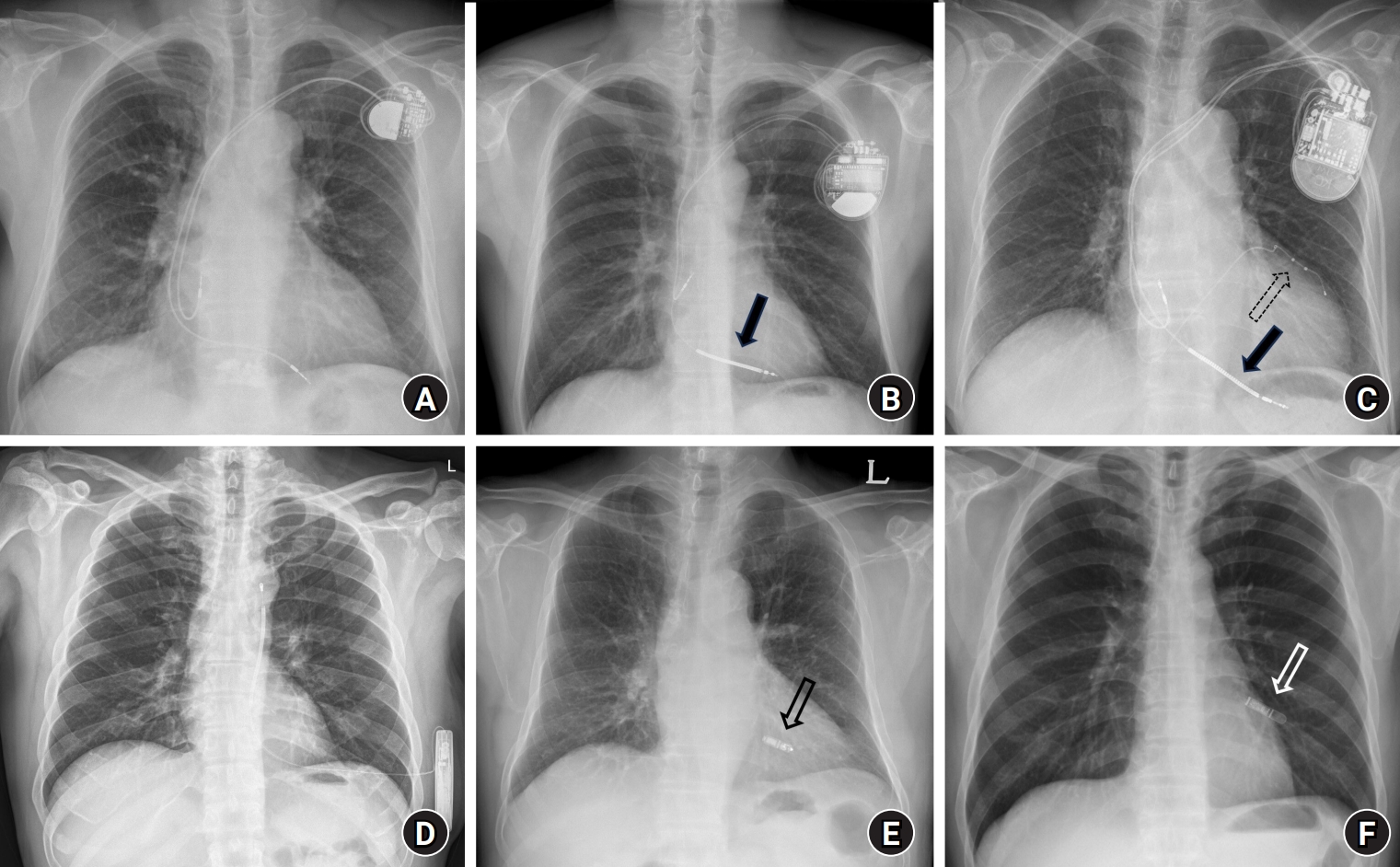
With the growing number of patients undergoing left ventricular assist device (LVAD) implantation and improved survival in this population, more patients with LVADs are presenting for various types of non-cardiac surgery. Therefore, anesthesiologists need to understand the physiology and adequately prepare for the perioperative management of this unique patient population. This review addresses perioperative considerations and intraoperative management for the safe and successful management of patients with an LVAD undergoing non-cardiac surgery. Understanding the basic physiology of preload dependency and afterload sensitivity in these patients is essential. The main considerations include a collaborative preoperative multidisciplinary approach, perioperative care aimed at optimizing the intravascular volume and right ventricular function, and maintaining the afterload within recommended ranges for optimal LVAD function.
- Clinical Research Articles
- Risk factors for chloral hydrate sedation failure in pediatric patients: a retrospective analysis
- Young-Eun Jang, Jung-Bin Park, Pyoyoon Kang, Sang-Hwan Ji, Eun-Hee Kim, Ji-Hyun Lee, Hee-Soo Kim, Jin-Tae Kim
- Korean J Anesthesiol. 2024;77(5):526-536. Published online July 2, 2024
-
Background
This study aimed to investigate the risk factors for chloral hydrate sedation failure and complications in a tertiary children’s hospital in South Korea.
Methods
A retrospective analysis of pediatric procedural sedation with chloral hydrate between January 1, 2021, and March 30, 2022, was performed. The collected data included patient characteristics, sedation history, and procedure. Multivariable regression analysis was performed to identify the risk factors for procedural sedation failure and complications.
Results
A total of 6,691 procedural sedation were included in the analysis; sedation failure following chloral hydrate (50 mg/kg) occurred in 1,457 patients (21.8%) and was associated with a higher rate of overall complications compared to those with successful sedation (17.5% [225/1457] vs. 6.2% [322/5234]; P < 0.001, odds ratio: 3.236). In the multivariable regression analysis, the following factors were associated with increased risk of sedation failure: general ward or intensive care unit inpatient (compared with outpatient); congenital syndrome; oxygen dependency; history of sedation failure or complications with chloral hydrate; procedure more than 60 min; and magnetic resonance imaging, radiotherapy, or procedures with painful or intense stimuli (all P values < 0.05). Factors contributing to the complications included general ward inpatient, congenital syndromes, congenital heart disease, preterm birth, oxygen dependency, history of complications with chloral hydrate, and current sedation failure with chloral hydrate (all P values < 0.05).
Conclusions
To achieve successful sedation with chloral hydrate, the patient’s sedation history, risk factors, and the type and duration of the procedure should be considered.
- Comparison of remimazolam and midazolam for preventing intraoperative nausea and vomiting during cesarean section under spinal anesthesia: a randomized controlled trial
- Kyuho Lee, Seung Ho Choi, Sangil Kim, Hae Dong Kim, Hyejin Oh, Seung Hyun Kim
- Korean J Anesthesiol. 2024;77(6):587-595. Published online October 8, 2024
-
Background
Preventing intraoperative nausea and vomiting (IONV) is crucial for maternal safety during cesarean section under spinal anesthesia. While midazolam is known to prevent IONV, we hypothesized that remimazolam would be superior due to its minimal hemodynamic effects. We compared the effects of the two drugs on IONV.
Methods
Parturients scheduled for cesarean section were randomly assigned to receive either midazolam or remimazolam. They received midazolam 2 mg or remimazolam 5 mg, with additional doses administered upon request. The primary outcome measure was the incidence of newly developed IONV during sedation. Other outcomes included overall IONV, rescue antiemetic use, shivering, hemodynamic variables, sedation scale scores, and satisfaction scores.
Results
Data from 80 participants were analyzed. Deeper sedation was induced in the remimazolam group (PGroup × Time < 0.001) despite comparable hemodynamic trends between the groups. The incidence of overall IONV was comparable between the two groups (27.5% in the midazolam group vs. 17.5% in the remimazolam group, absolute risk reduction [ARR]: 0.100, 95% CI [−0.082, 0.282], P = 0.284); however, newly developed IONV during sedation was significantly reduced in the remimazolam group (20.0% vs. 5.0%, ARR: 0.150, 95% CI [0.009, 0.291], P = 0.043). The need for rescue antiemetics was also lower in the remimazolam group (15.0% vs. 2.5%, ARR: 0.125, 95% CI [0.004, 0.246], P = 0.048).
Conclusion
Remimazolam significantly reduced the incidence and severity of newly developed IONV compared with midazolam, with minimal impact on hemodynamics, making it a useful sedative option for cesarean section.
- Review Articles
- A comprehensive analysis of propofol abuse, addiction and neuropharmacological aspects: an updated review
- Tayfun Uzbay, Andleeb Shahzadi
- Korean J Anesthesiol. 2025;78(2):91-104. Published online December 16, 2024
-
This review aims to assess the existing studies on propofol, a relatively new intravenous anesthetic, related to its abuse and addictive potential and to explain the neurobiological and neuropharmacological aspects of propofol addiction. Several neurobiological factors related to complex processes in the brain influence propofol abuse and addiction. In this review, we assessed the literature regarding propofol abuse and addiction, including both experimental and clinical studies. We selected articles from animal studies, case reports, clinical trials, meta-analyses, narrative reviews, and systematic reviews to extract all relevant crucial quantitative data with a measure of neurobiological and neuropharmacological aspects. Thus, the main goal of this study was to investigate the current literature and discuss the association between the central nervous system and propofol abuse and addiction in the context of addictive behavior. Current data suggest that propofol has a strong addictive potential and produces prominent addiction in both animals and humans. Thus, medical practitioners should exercise caution with propofol use, and we argue that this drug should be added to the list of controlled substances.
- Clinical Research Articles
- Effect of remimazolam on postoperative delirium and cognitive function in adults undergoing general anesthesia or procedural sedation: a meta-analysis of randomized controlled trials
- Ji-In Park, Hyo-Seok Na, Ji-Na Kim, Jung-Hee Ryu, Howon Jang, Hyun-Jung Shin
- Korean J Anesthesiol. 2025;78(2):118-128. Published online January 3, 2025
-
Background
Remimazolam is a novel short-acting benzodiazepine. This study compared the effects of remimazolam and propofol on cognitive function in adult patients after surgery or other procedures.
Methods
We searched electronic databases, including PubMed, Embase, CENTRAL, Web of Science, and Scopus, for relevant studies. The primary outcome was the proportion of participants who experienced delirium or impaired cognitive function postoperatively. Secondary outcomes included the incidence of hypotension, bradycardia, and postoperative nausea and vomiting. We estimated the odds ratios (OR) and mean differences (MD) with 95% CIs using a random-effects model.
Results
In total, 1295 patients from 11 randomized controlled trials were included. The incidence of postoperative delirium was 8.0% in the remimazolam group and 10.4% in the propofol group that was not significantly different (OR: 0.74, 95% CI [0.39–1.42], P = 0.369, I2 = 32%). More favorable cognitive function, as assessed using the Mini-Mental State Examination, was observed in the remimazolam group compared to the propofol group (MD: 1.06, 95% CI [0.32–1.80], P = 0.005, I2 = 89%). Remimazolam lowered the incidence of hypotension (OR: 0.28, 95% CI [0.21–0.37], P = 0.000, I2 = 0%) compared to propofol.
Conclusions
Remimazolam did not increase the risk of postoperative delirium and maintained cognitive function well, providing hemodynamic stability during surgery compared to propofol.
- Total postoperative opioid dose is an independent risk factor for prolonged postoperative ileus after laparoscopic colorectal surgery: a case-control study
- Hui Ju, Kai Shen, Jiaxin Li, Yi Feng
- Korean J Anesthesiol. 2024;77(1):133-138. Published online April 25, 2023
-
Background
Prolonged postoperative ileus (PPOI) is a major complication of colorectal surgery. Increased opioid consumption has been proposed to increase the risk of PPOI. This study aimed to test the hypothesis that an increased total postoperative opioid dose (TPOD) is associated with the increased incidence of PPOI.
Methods
For this matched case-control study, patients who underwent elective laparoscopic colorectal procedures at the Peking University People’s Hospital between January 2018 and June 2020 were retrospectively reviewed. Patients with PPOI were assigned to the ileus group, while patients without PPOI (control group) were matched at a 1:1 ratio to the ileus group according to age, American Society of Anesthesiologists physical status score, and type of surgical procedure. The primary outcome was the TPOD between the ileus and control groups. The secondary outcome was risk factors of PPOI.
Results
A total of 267 participants were included in the final analysis. No differences in baseline or operative factors were found between the two groups. The TPOD, intravenous sufentanil dose on postoperative day 1 (POD1), and the use of patient-controlled analgesia with basal infusion were associated with PPOI (P < 0.05). Multivariate logistic regression analysis revealed that an increased TPOD was an independent risk factor for developing PPOI after laparoscopic colorectal procedures (Odd ratio: 1.67, 95% CI [1.03, 2.71], P = 0.04).
Conclusions
The TPOD is an independent risk factor for PPOI after laparoscopic colorectal surgery. We need to explore new strategies of postoperative analgesia to reduce the dosage of TPOD.
- Comparison of dexmedetomidine and opioids as local anesthetic adjuvants in patient controlled epidural analgesia: a meta-analysis
- Yafen Gao, Zhixian Chen, Yu Huang, Shujun Sun, Dong Yang
- Korean J Anesthesiol. 2024;77(1):139-155. Published online May 2, 2023
-
Background
Data on the efficacy and incidence of adverse effects associated with dexmedetomidine (DEX) as a local anesthetic adjuvant for patient-controlled epidural analgesia (PCEA) are inconclusive. This meta-analysis assessed the efficacy and risks of DEX for PCEA using opioids as a reference.
Methods
Two researchers independently searched PubMed, Embase, Cochrane Library, and China Biology Medicine for randomized controlled trials comparing DEX and opioids as local anesthetic adjuvants in PCEA.
Results
In total, 636 patients from seven studies were included in this meta-analysis. Postoperative patients who received DEX had lower visual analog scale (VAS) scores than those who received opioids at 4–8 h (mean difference [MD]: 0.61, 95% CI [0.45, 0.76], P < 0.001, I2 = 0%), 12 h (MD: 0.85, 95% CI [0.61, 1.09], P < 0.001, I2 = 0%), 24 h (MD: 0.59, 95% CI [0.06, 1.12], P = 0.030, I2 = 82%), and 48 h (MD: 0.54, 95% CI [0.05, 1.02], P = 0.030, I2 = 91%). Additionally, patients who received DEX had a lower incidence of itching (odds ratio [OR]: 2.86, 95% CI [1.18, 6.95], P = 0.020, I2 = 0%) and nausea and vomiting (OR: 6.83, 95% CI [3.63, 12.84], P < 0.001, I2 = 24%). In labor analgesia, no significant differences in neonatal (pH and PaO2 of cord blood, fetal heart rate) or maternal outcomes (duration of labor stage, mode of delivery) were found between the DEX and opioid groups.
Conclusions
Compared with opioids, using DEX as a local anesthetic adjuvant in PCEA improved postoperative analgesia and reduced the incidence of itching and nausea and vomiting without increasing the incidence of adverse events.
- Comparison of high-flow nasal oxygenation and standard low-flow nasal oxygenation during rigid bronchoscopy: a randomized controlled trial
- Hye Jin Kim, Chang Young Lee, Kyuho Lee, Namo Kim, Seungyeon Lee, Young Jun Oh
- Korean J Anesthesiol. 2025;78(1):39-47. Published online December 12, 2024
-
Background
The efficacy of high-flow nasal oxygenation (HFNO) in improving oxygenation is influenced by several factors, and its effectiveness is not always guaranteed. Therefore, we aimed to compare the effects of HFNO and standard low-flow nasal oxygenation during rigid bronchoscopy in the apneic patients.
Methods
All patients were administered general anesthesia with full muscle relaxation and were randomly assigned to receive either HFNO (HFNO group) or standard low-flow oxygenation (Standard group). The study endpoints included the lowest peripheral oxygen saturation (SpO2), hypoxemia-related surgical interruptions (SpO2 ≤ 94%), and changes in arterial oxygen tension (PaO2) and carbon dioxide tension (PaCO2) during the apnea period for rigid bronchoscopy.
Results
A total of 53 patients completed the study. No significant differences were found between the HFNO and the Standard groups in the lowest SpO2 levels (median [Q1, Q3]; 99 [98, 100]% vs. 98 [94, 100]%, P = 0.059) and in the increase rate of PaCO2 (mean ± standard deviation [SD]; 1.6 ± 0.7 mmHg/min vs. 2.0 ± 0.8 mmHg/min, P = 0.064). However, the HFNO group had fewer patients with hypoxemia-related surgical interruptions than the Standard group (1 [3.8%] vs. 8 [29.6%], P = 0.024) and exhibited an attenuated decline rate in PaO2 (median [Q1, Q3]: 4.6 [0.0, 7.9] mmHg/min vs. 10.5 [6.4, 12.9] mmHg/min, P = 0.005).
Conclusions
While HFNO did not enhance the lowest SpO2 levels in comparison with standard low-flow oxygenation, it did reduce hypoxemia-related surgical interruptions with an attenuated decline in PaO2. Therefore, HFNO has considerable clinical efficacy for rigid bronchoscopy.
- Hypotension after induction of anesthesia with remimazolam or etomidate: a non-inferiority randomized controlled trial in patients undergoing coronary artery bypass grafting
- Jeong-Jin Min, Eun Jung Oh, Hyun Ji Hwang, Sungwoo Jo, Hyunsung Cho, Chungsu Kim, Jong-Hwan Lee
- Korean J Anesthesiol. 2025;78(2):139-147. Published online January 3, 2025
-
Background
Remimazolam is a novel ultra-short-acting benzodiazepine known for its hemodynamic stability over propofol. However, its hemodynamic effects compared to those of etomidate are not well established. This study aimed to determine whether the use of remimazolam is non-inferior to etomidate with regard to the occurrence of post-induction hypotension in patients undergoing coronary artery bypass grafting.
Methods
Patients were randomly assigned to either the remimazolam group (6 mg/kg/h) or the etomidate group (0.3 mg/kg) for induction of anesthesia. Anesthetic depth was adjusted based on the bispectral index. Primary outcome was the incidence of post-induction hypotension, defined as a mean arterial pressure less than 65 mmHg within 15 min after endotracheal intubation, with a non-inferiority margin of 12%.
Results
A total of 144 patients were finally analyzed. Incidence of post-induction hypotension was 36/71 (50.7%) in the remimazolam group and 25/73 (34.2%) in the etomidate group, with a rate difference of 16.5% (95% CI [3.0–32.6]) between the two groups that was beyond the prespecified non-inferiority margin of 12.0%. The number of patients who needed vasopressors was similar in the two groups.
Conclusions
In this non-inferiority trial, remimazolam failed to show non-inferiority to etomidate in terms of post-induction hypotension when used as an induction drug for general anesthesia in patients undergoing coronary artery bypass grafting. However, different doses or infusion techniques of remimazolam should be compared with etomidate in various patient groups to fully assess its hemodynamic non-inferiority during induction of anesthesia.
- Review Articles
- Extended reality in anesthesia: a narrative review
- Sung Hee Han, Kristen L Kiroff, Sakura Kinjo
- Korean J Anesthesiol. 2025;78(2):105-117. Published online January 15, 2025
-
The application of extended reality (XR) technology is rapidly expanding in the medical field, including anesthesia. This review aims to introduce the current literature on XR utilization to help anesthesiologists adopt this technology in education and clinical practice. XR is useful for both knowledge acquisition and skill training in a wide range of settings, from students to medical professionals. One of its major benefits is harm reduction through simulation scenarios that allow for immersion in clinical situations and opportunities to practice procedures and tasks. These scenarios often involve both technical and non-technical skills, enabling clinicians to enhance their capabilities without risking patient safety. In clinical settings, XR can also be used with patients to increase familiarity with medical procedures, provide education, and reduce anxiety. XR can also serve as a distraction technique, diverting the patient’s attention from medical procedures and enhancing comfort, which may contribute to reduced opioid use. Although the potential benefits of XR in anesthesia have been reported in various educational and clinical contexts, challenges, such as limited financial reimbursement and restricted technical accessibility, remain. With further research and technological advancements, XR technology has the potential for widespread adoption in anesthesia practice.
- Clinical Research Articles
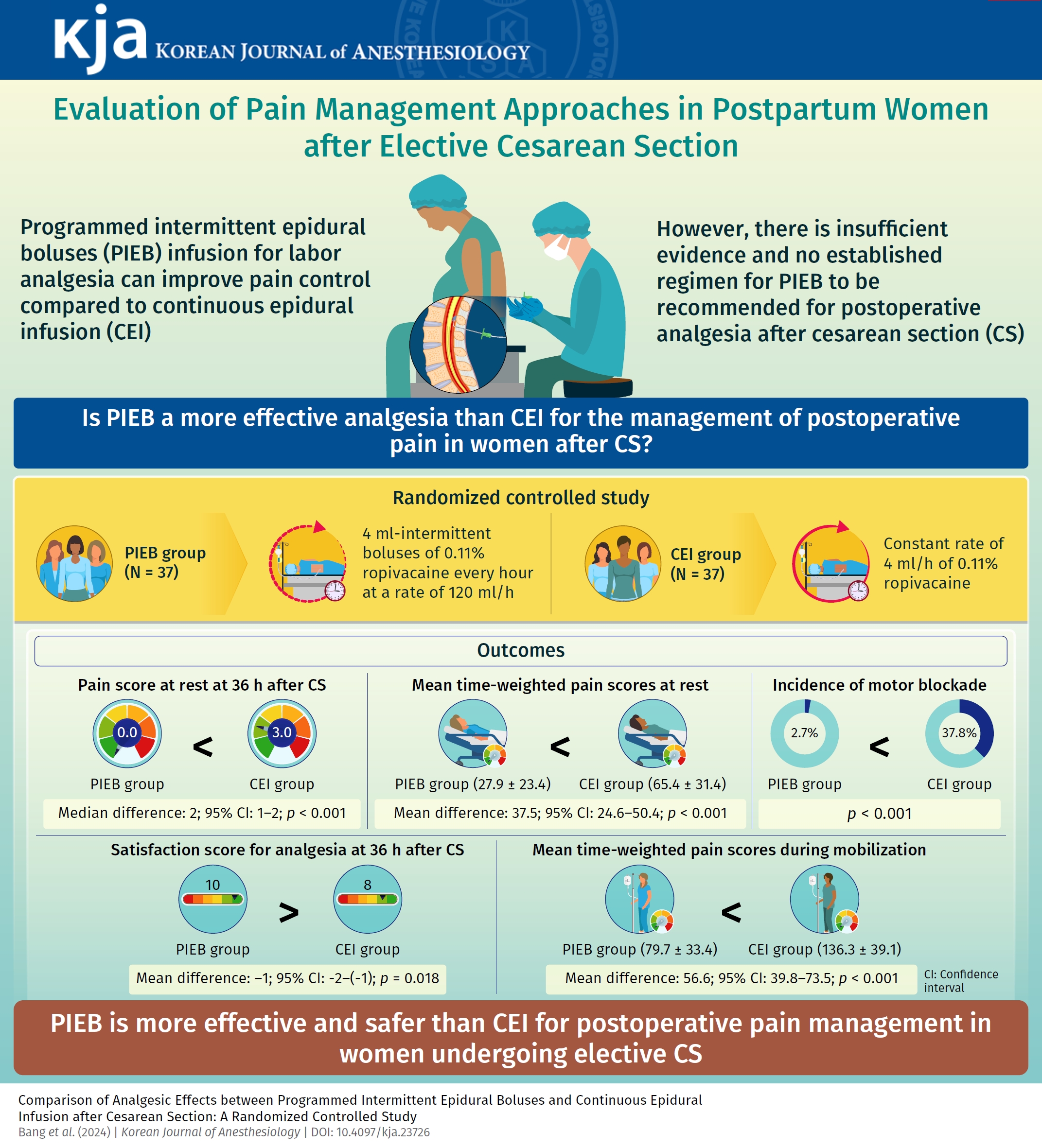
- Programmed intermittent epidural bolus as an ideal method for labor analgesia: a randomized controlled trial
- Doyeon Kim, Jeayoun Kim, Hyeonju Choo, Duck Hwan Choi
- Korean J Anesthesiol. 2024;77(1):106-114. Published online June 14, 2023
-
Background
Although programmed intermittent epidural bolus (PIEB) is effective for labor analgesia, an appropriate flow rate has not been established. Therefore, we investigated the analgesic effect based on different epidural injection flow rates.
Methods
Nulliparous women scheduled for spontaneous labor were enrolled in this randomized trial. After injection of intrathecal 0.2% ropivacaine 3 mg with fentanyl 20 μg, participants were randomized to three study groups. Epidural analgesics, 10 ml during one hour, were administered with patient controlled epidural analgesia as follows (0.2% ropivacaine 60 ml, fentanyl 180 μg, and 0.9% saline 40 ml): continuous (n = 28, 10 ml/h for continuous infusion), PIEB (n = 29, 240 ml/h for bolus infusion of 10 ml), or manual (n = 28, 1200 ml/h for bolus injection of 10 ml). The primary outcome was hourly consumption of the epidural solution. The time interval between labor analgesia and the first breakthrough pain was investigated.
Results
The median (Q1, Q3) hourly consumption of epidural anesthetics was significantly different among the groups (continuous: 14.3 [8.7, 16.9] ml, PIEB: 9.4 [6.2, 9.8] ml, manual: 8.6 [7.6, 9.9] ml; P < 0.001). The time to breakthrough pain for the PIEB group was longer than that for the other groups (continuous: 78.5 [35.8, 185.0] min, PIEB: 200.0 [88.5, 441.5] min, manual: 60.5 [37.3, 162.0] min, P = 0.027).
Conclusions
PIEB, with a low-flow rate, provided more adequate labor analgesia than a continuous epidural infusion or manual injection with a high-flow rate.