Korean J Anesthesiol Search

CLOSE


Association of preoperative metformin use with postoperative mortality and morbidity in type 2 diabetes patients undergoing noncardiac surgery: a retrospective cohort study
Ah Ran Oh, Jungchan Park, Suhyun Lee, Chung Su Kim
Korean J Anesthesiol. 2026;79(1):95-103.

Review Article

September 23, 2025


Evolving perspectives on blood transfusion in obstetric hemorrhage: a narrative review
Yoon Ji Choi, Sang Hun Kim
Korean J Anesthesiol. 2026;79(1):13-27.

Review Article

September 15, 2025


Three-dimensional bioprinting in drug delivery: a broad-spectrum review
Dongju Kim, Seunguk Bang
Korean J Anesthesiol. 2026;79(1):28-41.

Review Article

November 17, 2025


Key strategies in trauma anesthesia for severe hemorrhage: a narrative review
Byung Hee Kang, Hye-Min Sohn
Korean J Anesthesiol. 2026;79(1):42-55.

Clinical Research Article

February 24, 2025


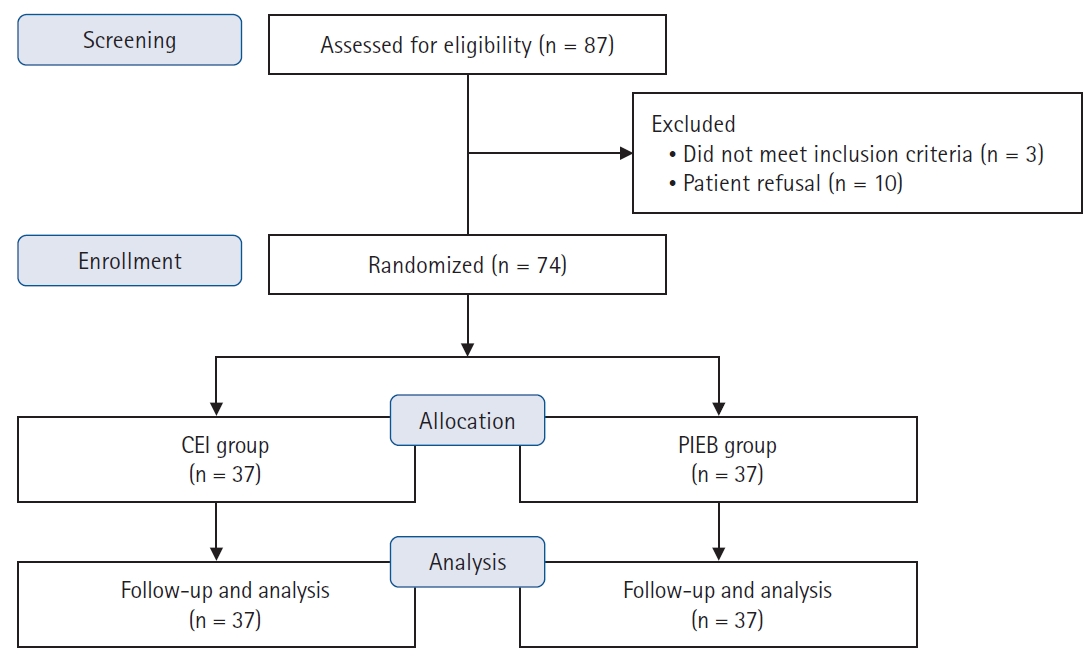
Efficacy of pectoral nerve II block for flap dissection-related pain following robot-assisted transaxillary thyroidectomy: a prospective, randomized controlled trial
Min Suk Chae, Kwangsoon Kim
Korean J Anesthesiol. 2026;79(1):69-81.

Clinical Research Article

May 21, 2025


Changes in pulse wave transit time variability after interscalene brachial plexus block placement
Eun Joo Choi, Jung A Lim, Chang Hyuk Choi, Dong Hyuck Kim, Sungbin Jo, et al.
Korean J Anesthesiol. 2026;79(1):82-94.

Clinical Research Article

November 10, 2025


Association of preoperative metformin use with postoperative mortality and morbidity in type 2 diabetes patients undergoing noncardiac surgery: a retrospective cohort study
Ah Ran Oh, Jungchan Park, Suhyun Lee, Chung Su Kim
Korean J Anesthesiol. 2026;79(1):95-103.

Clinical Research Article

June 26, 2025


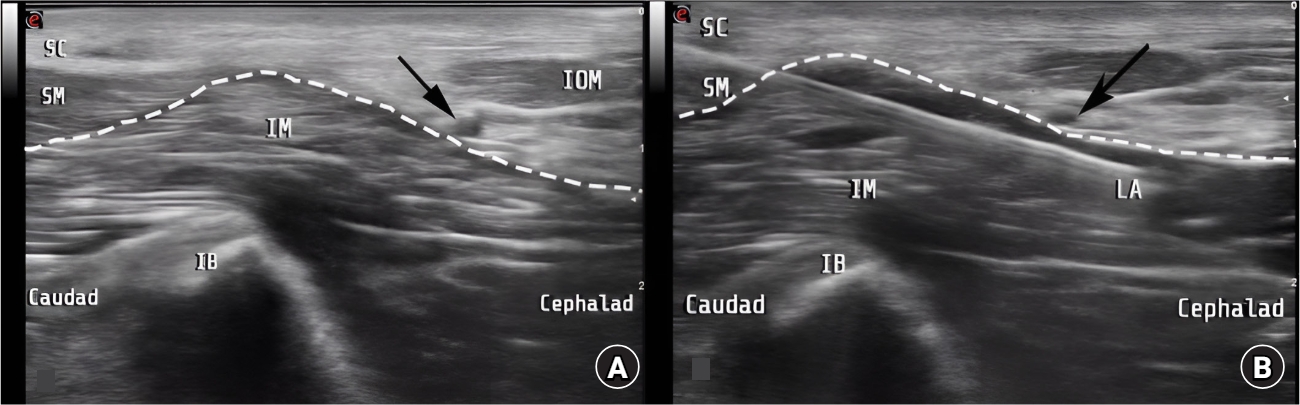
Impact of ultrasound-guided rhomboid intercostal and serratus anterior plane blocks on respiratory function after modified radical mastectomy: a randomized controlled trial
Gizem Akgün, Başak Altıparmak, Ahmet Pınarbaşı, Melike Korkmaz Toker, Sinan Pektaş, et al.
Korean J Anesthesiol. 2026;79(1):104-113.

Experimental Research Article

July 1, 2025


Human placental mesenchymal stem cell-derived exosomes carrying hsa-let-7i-5p mitigate lung injury in a murine model of aspiration pneumonia
Ching-Wei Chuang, Hong-Phuc Nguyen Vo, Yen-Hua Huang, I-Lin Tsai, Chao-Yuan Chang, et al.
Korean J Anesthesiol. 2026;79(1):114-129.

Letters to the Editor
Reassessing the role of preoperative non-anemic iron deficiency in off-pump cardiac surgery: insights beyond a negative association
Hsin-An Hsu, Wen-Ting Lin, Ming-Hui Hung
Received November 3, 2025  Accepted January 5, 2026  
From flow chart to 3 X 3 matrix: visualizing anesthetic depth and hemodynamics as a complement to Lee, Egan, and Johnson’s framework
Donald H. Lambert, Laura Lambert, Hanzhang Zhao, Mauricio Gonzalez
Received October 22, 2025  Accepted January 5, 2026  
Clinical Research Articles
K-MIMIC: a nationwide Korean multi-institutional Multimodal intensive care dataset
Young-Gon Kim, Jongho Shin, Sul Mui Won, Sang-Min Lee, Ho Geol Ryu, Geonhee Lee, Wookyung Kim, Dai-Jin Kim, Taehoon Ko, Tong Min Kim, Il-Woo Song, SuEun Jung, Jun Wan Lee, Jeong-Ho Hong, Jong-Yeup Kim, Da Hye Moon, Won-Yeon Lee, Woo Hyun Cho, Yoon Mi Shin, Soomin Jo, Byoung Jun Lee, Minjae Yoon, Borim Ryu, Jin-Heon Jeong, Seung Yong Park, Soung sil Choi, Taeyun Kim, Hyung-Chul Lee, Eui Kyu Chie
Received August 25, 2025  Accepted January 8, 2026  
Background
Recent advancements in critical care have highlighted the need for comprehensive, multimodal datasets to support clinical decision-making and advancing artificial intelligence (AI) research. However, such datasets are scarce in Asia. We developed the Korean Multi-Institutional Multimodal Intensive Care (K-MIMIC) dataset by integrating structured electronic medical records (EMRs), high-resolution bio-signals, and medical imaging from multiple hospitals in Korea.
Methods
This retrospective multicenter study collected intensive care unit (ICU) data from 278,274 patients admitted to 71 ICUs across 10 hospitals between 2001 and 2023. The data modalities included structured EMRs, physiological waveforms, and imaging studies. Data extraction followed standardized protocols and de-identification procedures in compliance with the Korean Health Data Utilization Guidelines. Multimodal linkage was achieved at the patient level to enable temporal trajectory analysis.
Results
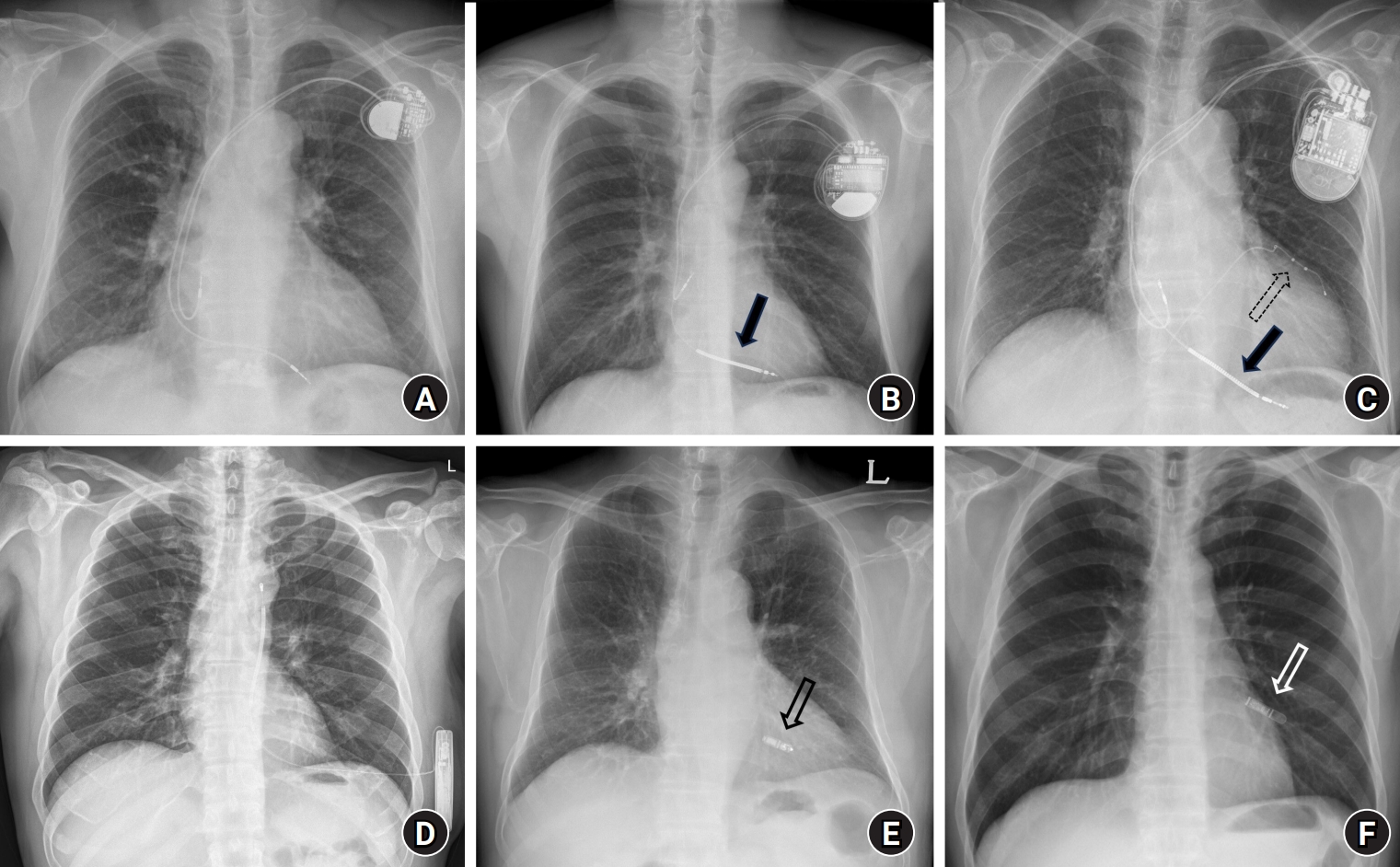
The K-MIMIC dataset contains 287,274 ICU admissions from 241,805 unique patients, including 22,588 bio-signal files and 496,999 imaging studies, primarily chest X-rays aligned with EMRs. Nearly 47% of ICU admissions originated in the emergency department (ED). Elderly patients (65–90 years old) constituted the largest age group. Fifteen thousand, five hundred forty-eight patients had EMR data linked with both bio-signals and imaging, enabling full multimodal analyses.
Conclusions
The K-MIMIC is the first large-scale, multicenter, multimodal ICU dataset in Asia to provide a robust resource for critical care research, including AI-based prediction, monitoring, and longitudinal outcome studies. The dataset demonstrates the feasibility of secure and standardized ICU data integration across diverse institutions.
Opioid-based versus opioid-sparing patient-controlled analgesia using ketorolac and nefopam after total knee arthroplasty: a randomized, double-blind, non-inferiority trial
Jiwon Han, Haesun Jung, Min Kyoung Kim, Yong-Beom Park, Seihee Min
Received August 10, 2025  Accepted January 1, 2026  
Background
Opioids remain widely used for postoperative pain control after total knee arthroplasty (TKA); however, concerns about adverse effects and dependency drive interest in opioid-sparing alternatives. This study evaluated the efficacy and safety of opioid-sparing patient-controlled analgesia (PCA) after TKA.
Methods
In this prospective, randomized, double-blind, non-inferiority study, 98 patients undergoing TKA under spinal anesthesia received either opioid-based PCA (continuous infusion of 1200 μg fentanyl, n = 49) or opioid-sparing PCA (continuous infusion of 150 mg ketorolac tromethamine and 100 mg nefopam hydrochloride, n = 49). Both groups received patient-controlled boluses of 300 μg fentanyl. The primary endpoint was the visual analog scale (VAS) pain score at rest on postoperative day (POD) 1, assessed using a 1.5-point non-inferiority margin. Secondary endpoints included additional analgesics, mobility, postoperative pain at rest and during ambulation, and adverse effects on PODs 1 and 2.
Results
The mean VAS score at rest on POD 1 was 5.45 ± 2.48 in the opioid-based PCA group and 5.90 ± 2.31 in the opioid-sparing PCA group. The mean difference was 0.45 points (95% CI, −0.36 to 1.25), within the prespecified non-inferiority margin. Pain scores at each time point were non-inferior in the opioid-sparing group, whereas rescue analgesic requirements were significantly reduced on POD 2 (P = 0.006). Nausea and vomiting on POD 1 were more frequent with opioid-based group (34.7% vs. 12.2%, P = 0.009).
Conclusions
Opioid-sparing PCA with ketorolac and nefopam provides non-inferior analgesia to opioid-based PCA, while reducing opioid consumption and drug-related adverse effects after TKA.
Comparison of large language models and conventional machine learning in postoperative outcome prediction: a retrospective, multi-national development and validation study
Jipyeong Lee, Hyeonsik Kim, Luke Kim, Leerang Lim, Hyung-Chul Lee, Hyeonhoon Lee
Received July 25, 2025  Accepted November 19, 2025  
Background
Conventional machine learning (ML) models for predicting surgical outcomes have limitations in generalizability We explored large language models (LLMs) as scalable alternatives to conventional ML models in predicting postoperative outcomes, including in-hospital 30-day mortality, intensive care unit (ICU) admission, and acute kidney injury (AKI).
Methods
This study utilized the Informative Surgical Patient for Innovative Research Environment (INSPIRE) dataset (n = 80,985) from South Korea for model development and internal validation, and the Medical Informatics Operating Room Vitals and Events Repository (MOVER) dataset (n = 6,165) from the United States for external validation. The study compared three different LLMs—Generative Pre-trained Transformer [GPT]-4o, Llama-3-70B, and OpenBioLLM-70B—against MLs using various prompt engineering approaches. LLMs were evaluated with different model parameter quantizations (4-bit normalized floating point vs. 16-bit brain floating point).
Results
OpenBioLLM-70B were comparable to eXtreme Gradient Boosting (XGBoost) across all tasks (in-hospital 30-day mortality: area under receiver operating characteristic curve [AUROC] 0.782 [95% CI: 0.748–0.813] vs. 0.791 [95% CI: 0.753–0.825]; ICU admission: AUROC 0.595 [95% CI: 0.581–0.609] vs. 0.594 [95% CI: 0.580–0.608]; AKI: AUROC 0.830 [95% CI: 0.802–0.855] vs. 0.823 [95% CI: 0.792–0.851]) during external validation. Open-source LLMs maintained performance with 4-bit quantization, reducing computational requirements by 75%.
Conclusions
The findings support the versatility and efficiency of LLMs for clinical decision support through on-premises compatibility, addressing data privacy. Further validation with diverse datasets is needed to ensure their reliability and applicability across different perioperative settings.
Narrative Reviews
From index to insight: clinical perspectives on electroencephalographic spectrogram-guided anesthesia—a narrative review
Akira Mukai, Jen-Ting Yang, Shao-Chun Wu, Tzu-Chun Wang, Feng-Sheng Lin, Chun-Yu Wu
Received November 12, 2025  Accepted January 4, 2026  
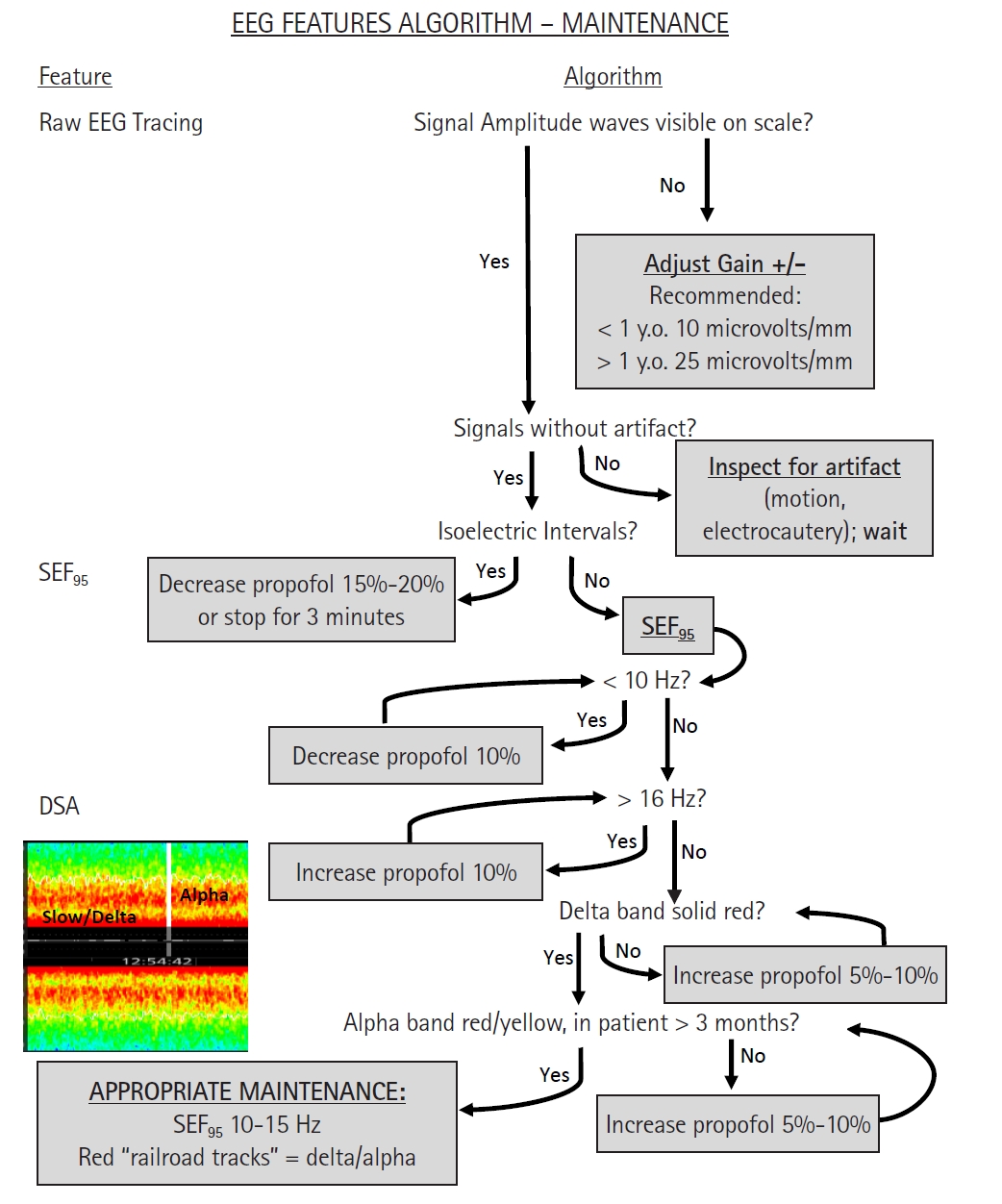
Processed electroencephalogram (EEG) indices, such as the Bispectral Index, have markedly influenced anesthesia practice as they translate brain activity into simple numerical indices. Nevertheless, as the manufacturing algorithms are not disclosed, the underlying neurophysiology remains obscured. Additionally, these indices are often affected by electromyographic contamination, pharmacological variability, and patient-specific EEG heterogeneity. In contrast, an EEG spectrogram, or density spectral array, preserves the frequency- and time-resolved structures of cortical oscillations. This information is presented in a form that is both physiologically meaningful and clinically interpretable. In this review, we trace the evolution of anesthesia from an index-based to a spectrogram-guided approach, and summarize the clinical rationale for adopting the latter. Key applications of this approach include the use of frontal alpha power as a biomarker of cortical stability and postoperative brain health, the identification of nociceptive arousal through alpha dropout and beta or delta arousal patterns, and individualized titration of multimodal or age-specific anesthetic management. Although current devices lack standardized quantitative alpha metrics and have limited sensitivity for low-frequency brain wave components, structured EEG education programs have proven to be effective in terms of fostering spectrogram literacy among anesthesiologists. By combining neurophysiological precision with bedside practicality, the EEG spectrogram represents a pivotal advance toward individualized, mechanism-based, and brain-protective anesthesia, transforming anesthetic monitoring from mere algorithmic abstraction to cortical insight.
Characteristics of electroencephalographic changes induced by different hypnotics in elderly patients: a narrative review
Byung-Moon Choi, Uncheol Lee
Received November 12, 2025  Accepted December 18, 2025  
Aging is associated with widespread structural and functional changes in the brain including reduced neural plasticity, slower information processing, and impaired network integration. These age-related alterations influence the brain’s response to anesthetic agents, particularly electroencephalography (EEG) activity. This narrative review summarizes the characteristic EEG features induced by commonly used hypnotic agents such as propofol, inhaled anesthetics, dexmedetomidine, ketamine, and remimazolam in elderly patients and examines how aging modulates these responses. With increasing age, EEG power shows a global decline, most prominently in the alpha frequency band (8–13 Hz), reflecting reduced thalamocortical and cortical activity. Peak alpha frequency slows progressively with age, and background EEG also often exhibits characteristic slowing, both of which are associated with cognitive decline. In addition, EEG reactivity to external stimuli diminishes, and integrative brain activity, representing coordinated processing across cortical regions, is reduced in older adults. Frontoparietal feedback connectivity, essential for conscious perception and information integration, is particularly weak in the elderly. These changes are further exacerbated under anesthesia, as general anesthetics disrupt top-down connectivity and reduce network integration. Graph-theoretical EEG analyses reveal age-related reductions in global efficiency, modularity, and small-world properties, which are signatures of a less efficient, more random, and fragmented brain network. Understanding these age-specific EEG alterations can improve intraoperative monitoring, anesthetic titration, and development of age-tailored EEG-guided strategies. Future research should aim to validate EEG biomarkers that reliably reflect anesthetic depth and brain health in elderly populations, thereby fostering safer anesthesia care in the aging population.
Brief Report
Temporal dissociation between cerebral blood flow and brain tissue oxygenation during CPR: observations from a porcine model
Michael M. Silverman, Ki Tae Jung, Stefan A. Carp, Bryce Carr, Ailis C. Muldoon, Bonsung Koo, Dibbyan Mazumder, Ekaterina Creed, Kichang Lee
Received December 3, 2025  Accepted February 1, 2026  
Experimental Research Articles
Sevoflurane degradation is accelerated by ozone: water trap removal of degradation products
Shinji Oshima, Hiroshi Suzuki, Soichiro Mimuro, Tadayoshi Kurita, Yoshiki Nakajima
Received July 7, 2025  Accepted November 12, 2025  
Background
Halogenated anesthetics such as sevoflurane have a high global warming potential (GWP) and should be degraded before atmospheric release. We hypothesized that sevoflurane undergoes oxidative degradation when mixed with ozone and some degradation products can be captured using a water trap.
Methods
In Experiment 1, sevoflurane and its degradation products were monitored in real-time using liquid chromatography-mass spectrometry under three conditions: air control, ozone mixing, and ozone mixing followed by passage through a water trap. In Experiment 2, sevoflurane (7–8%) was delivered into a closed anesthesia circuit, and concentration changes were recorded every 10 s under ozone-present and ozone-absent conditions (six trials each). In Experiment 3, proton nuclear magnetic resonance (¹H NMR, Bruker Ascend 400, 20.1°C) was performed on heavy-water samples from the water trap used in Experiment 2 to assess the solubility of ozone-exposed sevoflurane.
Results
In Experiment 1, ozone accelerated sevoflurane degradation; however, the concentration of the degradation products was not increased in the water trap. In Experiment 2, ozone mixing caused a rapid decline in sevoflurane concentration, decreasing from 7.3% to < 1% within 25–28 s and reaching 0% within 265–288 s, whereas no decrease was found in the ozone-absent trials (P < 0.001). In Experiment 3, ¹H NMR spectra showed clearer sevoflurane signals and minor new peaks after ozone exposure, suggesting enhanced apparent solubility and limited decomposition.
Conclusion
Ozone mixing accelerated sevoflurane degradation and increased its water solubility, suggesting a practical approach for reducing the environmental impact of sevoflurane.
Review Articles
Inhalational versus total intravenous anesthesia in noncardiac surgery: a comparative review of clinical outcomes
Ah Ran Oh, Jungchan Park
Received July 23, 2025  Accepted November 17, 2025  
Inhalational anesthetics have long been the cornerstone of general anesthesia in noncardiac surgery owing to their reliable pharmacokinetics, ease of administration, and cardiopulmonary benefits such as bronchodilation and myocardial preconditioning. Total intravenous anesthesia (TIVA), achieved using short-acting agents such as propofol and remifentanil, and supported by target-controlled infusion systems and depth-of-anesthesia monitors, has emerged as a widely adopted alternative. TIVA is associated with improved recovery profiles, reduced incidence of postoperative nausea and vomiting, and potential neuroprotective and immunomodulatory effects. In this review, we compared the pharmacological mechanisms and clinical implications of inhalational anesthesia and TIVA, focusing on myocardial injury after noncardiac surgery and other perioperative outcomes. We summarized evidence from randomized controlled trials, large-scale observational studies, and health system-level analyses across multiple outcome domains: all-cause mortality, cardiovascular complications, pulmonary and renal outcomes, oncological prognosis, and system-level factors, such as cost-effectiveness and environmental impact. While inhalational agents demonstrated advantages in terms of cardioprotection and airway management, TIVA was found to offer potential benefits in select populations, particularly in cancer surgery and neuroanesthesia. No single technique demonstrated consistent superiority across all clinical contexts. Therefore, the selection of anesthetic technique should be personalized based on surgical risk, patient comorbidities, institutional infrastructure, and clinician expertise. Emerging trends in sustainability and precision medicine further underscore the need for individualized evidence-based strategies. By combining mechanistic insights with evidence from clinical practice, this review aimed to provide a balanced framework to guide optimal anesthetic decision-making in noncardiac surgery.
Clinical Research Articles
Comparison of the analgesic efficacy between the ultrasound-guided continuous costoclavicular brachial plexus block and ultrasound-guided continuous interscalene brachial plexus block: a randomized controlled non-inferiority trial
Taotao Xing, Lan Ge, Da Zhong, Shuo Chen, Yongjie Li, Hongjin Ni, Yiqi Fang, Yantian Lv, HuaJie Mao, Lina Yu
Received June 21, 2025  Accepted September 24, 2025  
Background
The continuous interscalene brachial plexus block (ISB) is widely used for regional anesthesia in shoulder surgeries. Although the continuous costoclavicular brachial plexus block (CCB) has been proposed, its comparative efficacy and safety remain unclear. This randomized, single-blind trial aimed to determine whether the CCB offers non-inferior postoperative analgesia compared to the ISB while mitigating hemidiaphragmatic paresis (HDP).
Methods
patients underwent rotator cuff repair received continuous ISB or CCB followed by 0.2% ropivacaine infusion postoperatively. The primary outcome was the resting numerical rating scale (NRS) pain score 24 h postoperatively. Secondary outcomes included block-related parameters, dynamic and resting pain scores, HDP incidence, opioid consumption, rescue analgesia requirements, and satisfaction scores.
Results
Resting NRS scores at 24 h demonstrated the non-inferiority of the CCB compared to the ISB (2.41 ± 0.59 vs. 2.00 ± 0.81; mean difference: 0.41; 95% CI: 0.1–0.73). The CCB significantly reduced the incidence of early complete HDP (30 min post-block: 7.3% vs. 41.5%; P < 0.001), with no incidence of complete HDP at 24 h. The CCB had longer block times (19.2 ± 3.7 vs. 17.2 ± 3.6 min; P = 0.013) and sensory onet (24.0 [21.0–24.0] vs. 18.0 [18.0–21.0] min; P < 0.001). Total ropivacaine consumption, rescue analgesia, or satisfaction scores were comparable.
Conclusions
The continuous CCB is non-inferior to the ISB in terms of postoperative analgesia after rotator cuff repair and substantially decreases the risk of HDP. These findings support the CCB as a clinically advantageous alternative for shoulder surgery analgesia.
Optimal remimazolam infusion rate for general anesthesia induction in elderly patients: a dose determination study by the k-in-a-row method
Heejoon Jeong, Hyun Joo Ahn
Received May 29, 2025  Accepted September 24, 2025  
Background
Elderly patients commonly experience sudden hypotension after propofol administration for anesthesia induction. Remimazolam, a novel anesthetic agent, offers superior hemodynamic stability, and thus represents a potentially safer alternative to propofol in this vulnerable population. However, the optimal infusion rate of remimazolam for inducing general anesthesia in elderly patients remains unclear. This study aimed to determine the effective infusion rate of remimazolam for general anesthesia induction in elderly patients.
Methods
This study enrolled consecutive patients aged ≥ 65 with an American Society of Anesthesiologists (ASA) physical status I–III who underwent elective surgery. The 50% (50% effective dose [ED50]) and 90% (90% effective dose [ED90]) effective infusion rates of remimazolam for inducing general anesthesia were estimated using the k-in-a-row method. Successful anesthesia induction was defined as achieving a Modified Observer’s Assessment of Alertness/Sedation (MOAA/S) score of ≤ 1 within 2 min of initiating remimazolam infusion. The initial infusion rate was set at 0.1 mg/kg/min, with subsequent adjustments made in increments/decrements of 0.02 mg/kg/min. According to the k-in-a-row method, the infusion rate increased after failure, but decreased only after k = 6 consecutive successes.
Results
A total of 50 patients were enrolled in this study. The estimated ED50 and ED90 for achieving an MOAA/S score ≤ 1 within 2 min from the start of remimazolam infusion were 0.10 mg/kg/min (90% CI [0.08–0.11]) and 0.13 mg/kg/min (0.12–0.19), respectively. Hemodynamic stability was maintained across all tested doses during the induction period, and none of the patients required vasopressors or inotropes.
Conclusions
An infusion rate of 0.13 mg/kg/min of remimazolam effectively induces general anesthesia in elderly patients, while preserving hemodynamic stability.
Association between preoperative serum amyloid A levels and postoperative delirium in older adults undergoing hip surgery: a retrospective study
Hyun-Jung Shin, Bon-Wook Koo, Hyo-Seok Na
Received June 25, 2025  Accepted September 22, 2025  
Background
Postoperative delirium (POD) is a common and serious complication in older adults. Prior studies have validated serum amyloid A (SAA) as a potential biomarker for various inflammatory conditions; however, its role in POD is poorly characterized. This study aimed to examine the association between preoperative SAA levels and the occurrence of POD.
Methods
This study comprised a retrospective review of the electronic medical records of patients aged 60 and older who underwent hip surgery between April 2022 and January 2024. Cognitive function was assessed using the Nursing Delirium Screening Scale (Nu-DESC), while diagnosis was confirmed by psychiatrists using the Confusion Assessment Method (CAM). The associations between POD occurrence and preoperative/postoperative SAA levels and other patient, anesthesia, and surgical factors were analyzed using logistic regression models.
Results
Of 731 patients, delirium occurred in 121 patients (16.6%) within the first five postoperative days (five-day POD). Preoperative SAA levels were significantly higher in the POD group (91.2 mg/L) than the non-POD group (6.6 mg/L) (P < 0.001). Logistic regression showed that preoperative SAA levels were independently associated with POD occurrence (odds ratio [OR]: 1.005, 95% CI: 1.002‒1.008; P < 0.001). Age (P < 0.001), height (P = 0.006), and preoperative albumin levels (P = 0.008) were also identified as significant factors influencing POD risk.
Conclusions
Elevated preoperative SAA levels were associated with an increased risk of five-day POD in older adults undergoing hip surgery. Further research is required to explore the clinical utility of SAA as a biomarker for predicting POD.
Experimental Research Articles
Insulin augments vasodilatory response elicited by amlodipine via nitric oxide-dependent vasodilation in isolated rat aortas
Soo Hee Lee, Kyeong-Eon Park, Seong-Ho Ok, Gyujin Sim, Ju-Tae Sohn
Received May 18, 2025  Accepted September 5, 2025  
Background
High-dose insulin and euglycemic therapy are widely used to treat calcium channel blocker toxicity. However, the effect of insulin on vasodilation evoked by the dihydropyridine calcium channel blocker amlodipine remains unknown. This study examined the effect of insulin on amlodipine-induced vasodilation in isolated rat aortas with specific emphasis on mechanisms associated with nitric oxide (NO).
Methods
The study assessed the roles of NW-nitro-L-arginine methyl ester (L-NAME), a nitric oxide synthase inhibitor; methylene blue, a general guanylate cyclase suppressor; 1H-[1,2,4]oxadiazolo[4,3-a]quinoxalin-1-one (ODQ), a selective inhibitor of NO-sensitive guanylate cyclase; and endothelial removal in modulating the NO-dependent signaling cascade underlying amlodipine-induced vasodilation. This study explored how insulin and various pharmacological inhibitors influenced the vasodilatory effects of amlodipine and verapamil in rat aortic tissues with or without an intact endothelium.
Results
In aortas with intact endothelium, amlodipine-induced relaxation was significantly suppressed by L-NAME, methylene blue, and ODQ. Insulin enhanced amlodipine-induced vasodilation in endothelium-intact aortas, whereas it had no effect on the vasodilatory response to amlodipine in endothelium-denuded aortas. Moreover, L-NAME, methylene blue, and ODQ eliminated insulin-mediated augmentation of amlodipine-induced vasodilation in endothelium-intact aortas. However, in endothelium-intact aortas, insulin exhibited no impact on the vasodilatory effects triggered by verapamil. Amlodipine increased endothelial nitric oxide synthase (eNOS) phosphorylation in human umbilical vein endothelial cells (HUVECs). Additionally, combined treatment with insulin and amlodipine further increased amlodipine-induced eNOS phosphorylation in HUVECs.
Conclusions
These findings suggest that insulin contributes to the amplification of amlodipine’s NO-dependent vasodilatory response in aortas, which appears to be mediated by increased NO production.
Investigating the impact of hyperbilirubinemia on cognitive dysfunction in adult zebrafish: an in vivo model
Won Kee Min, Suhyun Kim, Sun Hwa Lee, Sang Hun Kim, Yoon Ji Choi
Received February 8, 2025  Accepted August 5, 2025  
Background
Despite the well-known effects of elevated bilirubin in neonates, its neurotoxic potential in adults remains uncertain. In perioperative and hepatic disease contexts, transient bilirubin elevations are common; however, their direct contribution to cognitive dysfunction has not been clearly established. This study aimed to determine whether transient bilirubin elevation alone can impair cognition and disrupt blood–brain barrier (BBB) function in adult zebrafish, and to compare these effects with those of liver injury.
Methods
Adult zebrafish were assigned to either a bilirubin-injected group (retro-orbital injection of bilirubin) or a liver injury group (hepatocyte-specific ablation using a nitroreductase/metronidazole system). Cognitive performance was assessed using the T-maze test, and BBB integrity was evaluated using Evans blue staining. Expression of inflammatory genes (il1b, stat1b, ifng1) in brain tissue was analyzed via reverse transcription quantitative polymerase chain reaction.
Results
Zebrafish injected with bilirubin exhibited impaired spatial learning without locomotor deficits, accompanied by marked Evans blue accumulation, indicating BBB disruption. Zebrafish in the liver injury group exhibited similar cognitive impairment and a modest increase in BBB permeability, yet displayed significantly higher expression of inflammatory genes. These findings suggest that, although both models induce behavioral deficits, their underlying mechanisms may differ.
Conclusion
Transient bilirubin elevation alone was sufficient to impair cognition and disrupt BBB function in adult zebrafish, even in the absence of overt liver damage or systemic inflammation. Although inflammation is more pronounced during liver injury, bilirubin itself may exert direct neurovascular effects. These results support considering bilirubin levels as a modifiable risk factor for perioperative neurocognitive dysfunction.
Clinical Research Articles
The association between dexmedetomidine use and delirium in critically ill surgical patients: a retrospective cohort study
Jiwoo Suh, KyeongTeak Oh, JiYeon Choi, Jeongmin Kim
Received March 20, 2025  Accepted July 20, 2025  
Background
Delirium is a common complication among critically ill patients. This study analyzed trends in dexmedetomidine use and its association with delirium incidence, severity, and outcomes in a surgical intensive care unit (ICU).
Methods
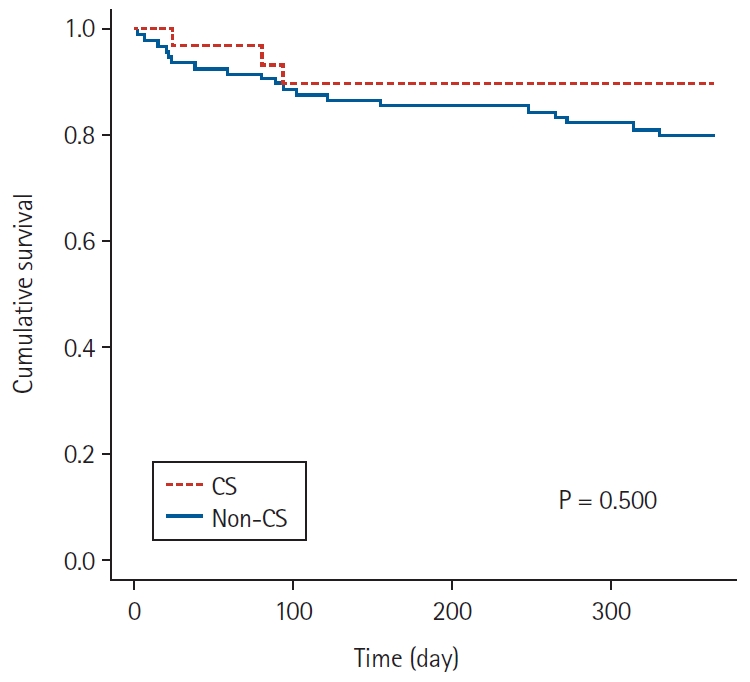
A retrospective cohort study was performed in the surgical ICU of a tertiary academic center in South Korea, including 6,140 adult patients admitted from 2017 to 2023. Patients were grouped by dexmedetomidine exposure. Delirium was assessed using the Intensive Care Delirium Screening Checklist (ICDSC). Outcomes included delirium incidence, ICU length of stay (LOS), and one-year postoperative survival. Multivariate logistic regression identified delirium risk factors; Kaplan–Meier analysis assessed survival.
Results
Dexmedetomidine use increased over time. Patients receiving dexmedetomidine had higher delirium incidence (46.1% vs. 13.9%, P < 0.001) and longer ICU stays (5.7 vs. 2.1 d, P < 0.001). They received 0.37 ± 0.16 µg/kg/h for 9.4 ± 6.5 h/d over 2.3 ± 4.0 d on average. Independent delirium risk factors were dexmedetomidine use (odds ratio [OR] 3.14; 95% CI 2.43–4.06), older age, psychiatric medication, and higher American Society of Anesthesiologists (ASA) physical status classification and Acute Physiology and Chronic Health Evaluation II (APACHE II) scores. One-year postoperative survival was lower in the dexmedetomidine group (92.7% vs. 94.5%, P = 0.015), likely due to greater illness severity.
Conclusions
Dexmedetomidine was mainly used in high-risk, severely ill patients, reflecting its role in managing severe symptoms rather than preventing delirium. These results highlight the need for personalized sedation strategies to optimize dexmedetomidine use in the ICU setting.
Rectus sheath block provides superior analgesia over quadratus lumborum block in single-port total laparoscopic hysterectomy: a prospective, randomized trial
Dongju Kim, Seunguk Bang, Jihyun Chung, Hyun-jung Shin, Eunwon Lee
Received March 5, 2025  Accepted July 25, 2025  
Background
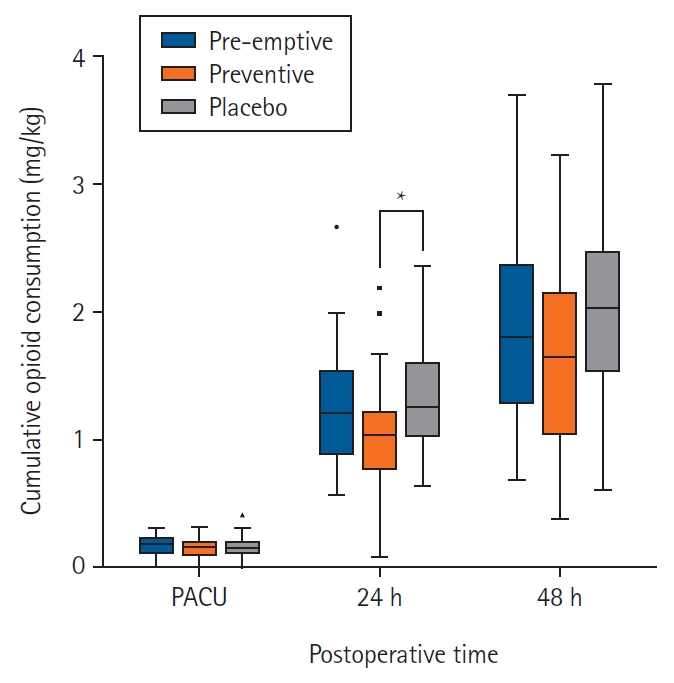
With the growing adoption of minimally invasive surgery, single-port total laparoscopic hysterectomy (TLH) is gaining popularity. However, unlike multi-port TLH, evidence on optimal pain management strategies for single-port TLH remains limited. Given the key role of regional anesthesia in multimodal analgesia, identifying the more effective block technique is clinically relevant. This study aimed to compare the analgesic efficacy of the quadratus lumborum block (QLB) and rectus sheath block (RSB) in patients undergoing single-port TLH. We hypothesized that QLB would result in lower 24-hour cumulative opioid consumption than RSB.
Methods
In this prospective, randomized trial, 62 patients undergoing single-port TLH were assigned to receive either RSB or QLB. The primary outcome was 24-hour cumulative opioid consumption. Secondary outcomes included time to first patient-controlled analgesia (PCA) bolus, pain scores, and the need for rescue analgesia.
Results
Data from 52 patients were analyzed (RSB: 27; QLB: 25). Median 24-hour opioid consumption was significantly lower in the RSB group (277.9 versus 459.1 μg; P = 0.007). Although the median time to first PCA bolus was similar between groups, Kaplan–Meier survival analysis revealed a marginal but statistically significant difference favoring RSB (P = 0.047). Notably, no patients in the RSB group required rescue analgesia, compared to 20% in the QLB group (P = 0.020).
Conclusions
RSB provided superior postoperative analgesia compared to QLB in single-port TLH, reducing both opioid consumption and the need for rescue analgesia. These findings support RSB as the preferred block within a multimodal analgesia strategy for this procedure.
Meta-analysis
Hypotension Prediction Index in the prediction of better outcomes: a systemic review and meta-analysis
Yi Liu, Bei Liu, Wei Xiong, Chen Wang, Kunxin Yang, Wudi Ma, Liangtian Lan, Ming Wei, Nan Jiang, Xia Feng
Received March 28, 2025  Accepted August 18, 2025  
Background
The hypotension prediction index (HPI) is an algorithm designed to predict hypotension. Some studies have reported that HPI-guided hemodynamic management strategies decrease intraoperative hypotension and complications; however, the effect of HPI on reducing perioperative complications are controversial. This meta-analysis aimed to assess the efficacy of the HPI in reducing major complications and intraoperative hypotension.
Methods
We conducted this meta-analysis according to the PRISMA statement and Cochrane Handbook guidelines. A comprehensive literature review was conducted to identify studies focusing on the efficacy of HPI-guided management in reducing intraoperative hypotension and postoperative complications. The PubMed, Embase, Scopus, and Web of Science databases were searched, and the resulting data were combined to calculate the pooled mean differences (MDs) or risk ratios (RRs) with 95% CIs of both randomized controlled trials (RCTs) and retrospective studies, as appropriate. Heterogeneity and potential publication bias were also assessed.
Results
Nineteen articles (12 RCTs and 7 retrospective studies) with 2,570 recruited patients were included in this meta-analysis. The critical evaluation of the study quality revealed a low risk of bias in the included RCTs. Among the non-randomized trials, one was rated 7, two were rated 8, and the remaining four were rated 9 on the Newcastle-Ottawa Scale, indicating high quality and a low risk of bias. HPI-guided management significantly reduced intraoperative hypotension and associated major complications (RR = 0.79, 95% CI [0.69, 0.90], I2 = 0; P = 0.0005). Blood loss and length of hospital stay were comparable between the groups.
Conclusions
HPI-guided management significantly reduced intraoperative hypotension and major complications.
Clinical Research Articles
Comparison between conventional pleth variability index (PVI) and Rainbow PVI (RPVI) in non-cardiothoracic surgery: a retrospective study
Chahyun Oh, Chan Noh, Sujin Baek, Sun Yeul Lee, Boohwi Hong
Received April 17, 2025  Accepted July 29, 2025  
Background
The rainbow pleth variability index (RPVI) is a newly introduced multiwavelength variant of the pleth variability index (PVI). However, the clinical data on RPVI remains limited. This study retrospectively compared PVI and RPVI in non-cardiothoracic surgery patients using pulse pressure variation (PPV) as a reference.
Methods
Adult patients (≥20 years) who underwent non-cardiothoracic surgery under general anesthesia and had concurrent RPVI, PVI, and invasive arterial pressure monitoring were included. Repeated-measures correlation was used to evaluate the association with PPV. Agreement was assessed using nested Bland-Altman analysis, and receiver operating characteristic (ROC) curve analysis was conducted to assess the predictive performance for detecting high PPV (>13%).
Results
A total of 86 cases (195.3 h of data) were analyzed. The RPVI showed a stronger correlation with PPV than with PVI (r = 0.511 vs. r = 0.243). The Bland-Altman analysis revealed narrower limits of agreement for the RPVI, indicating greater precision. RPVI also demonstrated better predictive performance, with an area under the curve of 0.813 (95% CI, 0.804–0.821) compared to 0.663 (95% CI, 0.653–0.674) for PVI (P < 0.001). The optimal thresholds for detecting PPV >13% were 8.5 for RPVI and 13.5 for PVI.
Conclusions
RPVI demonstrated superior performance compared with PVI, showing a stronger correlation and greater precision with respect to PPV, as well as an improved ability to detect states of elevated PPV. While not a direct substitute for PPV, RPVI may serve as a promising non-invasive index for fluid status assessment.
Review Articles
Expanding the boundaries of simulation-based training: a narrative review of in situ simulation and its role in enhancing non-technical skills
Christine Kang, Hannah Lee
Received June 16, 2025  Accepted July 2, 2025  
Simulation-based training provides a psychologically and physically safe environment for health-care professionals to practice exercises repetitively without placing patients at risk. Furthermore, it allows them to rehearse rare or high-risk clinical scenarios that are rarely encountered in daily practice. In addition to technical procedures, anesthesiologists need to master non-technical skills (NTS), such as communication, teamwork, leadership, and decision-making. These cognitive and social abilities complement technical expertise, and their absence is a leading cause of errors in emergency situations. In situ simulation (ISS) training, which involves conducting realistic simulation training in actual clinical settings, is one of the most time-efficient and effective formats for training of both technical skills and NTS. ISS minimizes travel time and can be integrated into clinical workflows. In this review, we explore ISS training in terms of its definition and implementation, evidence of its effectiveness, its role in NTS training, and related emerging trends (e.g., virtual/augmented reality).
Clinical Research Articles
Effect of age on volume kinetic parameters in healthy volunteers receiving Ringer’s lactate solution
Seong-Mi Yang, Junik Park, Junyoung Jo, Byung-Moon Choi
Received February 11, 2025  Accepted June 14, 2025  
Background
Understanding the effects of age and body weight on volume kinetics may provide practical guidance for fluid administration in clinical practice. This study aimed to quantify the effects of age and body weight on the volume kinetic parameters in healthy volunteers with varying ages and body weights.
Methods
Eighteen healthy volunteers were enrolled in this study. These volunteers received 40 ml/kg of Ringer’s lactate solution for 60 min; for safety reasons, volunteers aged > 65 years received 30 ml/kg. The maximum amount of administered fluid was limited to 3600 ml. Venous blood samples were collected at preset intervals to determine the hemoglobin concentrations and hematocrit percentage. NONMEM 7.5 (ICON PLC) was used to perform the population-based volume kinetic analysis.
Results
A total of 122 plasma dilution data points were used from 18 volunteers to determine the pharmacokinetic characteristics of Ringer’s lactate solution. Distribution and elimination could be well explained using a two-volume model. The central volume of distribution at baseline (Vc0) and the distributional clearance (kt) between the central and peripheral compartments decreased as age increased. A difference in elimination clearance (kr) was observed based on age, with a value of 60 years (≥ 60 y: 50.2 ml/min; < 60 y: 156 ml/min). Body weight was not a significant covariate for the volume kinetic parameters.
Conclusions
These findings can serve as reference data for determining the appropriate amount of Ringer’s lactate solution to administer to patients of different ages in clinical practice.
Accuracy of ultrasound-measured skin-to-hyoid bone distance for predicting difficult mask ventilation in patients with obesity: a prospective observational study
Maha Mostafa, Israa ElGeneidi, Ahmed Hasanin, Mostafa Ali, Hanan Mostafa, Nader Noshy Naguib
Received February 14, 2025  Accepted May 30, 2025  
Background
The risk of difficult mask ventilation (DMV) is high in patients with obesity. Therefore, we evaluated the accuracy of ultrasound-measured skin-to-hyoid bone distance (SHD) for predicting DMV in such population.
Methods
This prospective observational study included adult patients with obesity scheduled for elective surgery. Preoperative airway assessment included the modified Mallampati test, thyromental distance, sternomental distance, upper lip bite test, mouth opening, neck mobility, STOP-Bang score, and the SHD measured by a handheld ultrasound probe. The mask ventilation grade was evaluated using the 4-level Han score, and grades 3 and 4 were considered as DMV. The primary outcome was the ability of SHD to predict DMV using area under the receiver operating characteristic curve (AUC) analysis. A multivariate model including the STOP-Bang score, modified Mallampati test, upper lip bite test, and SHD was also assessed.
Results
Data from 326 patients were analyzed. The DMV incidence was 22/326 (6.7%). Patients with DMV were predominantly male and had higher weight, STOP-Bang score, modified Mallampati grade, upper lip bite class, and SHD than did those with easy mask ventilation. The AUC (95% CI) of the SHD for predicting DMV was 0.88 (0.84–0.92). An SHD > 1.9 cm had a negative-predictive value of 99%. Multivariate analysis revealed that the SHD was an independent predictor of DMV.
Conclusions
In patients with obesity, SHD measured by a handheld ultrasound probe is an independent predictor of DMV and can accurately predict DMV. An SHD ≤ 1.9 cm can exclude DMV with 99% accuracy.
An adjustment of fraction of inspired oxygen using the oxygen reserve index during one-lung ventilation in pediatric patients: a prospective, randomized controlled trial
Jung-Bin Park, Pyoyoon Kang, Sang-Hwan Ji, Young-Eun Jang, Eun-Hee Kim, Jin-Tae Kim, Hee-Soo Kim, Ji-Hyun Lee
Received December 4, 2024  Accepted April 1, 2025  
Background
One-lung ventilation (OLV) during thoracic surgery frequently requires approximately 100% oxygen, imposing the risk of hyperoxemia. This study aimed to assess whether oxygen reserve index (ORI)-guided fraction of inspired oxygen (FiO2) adjustment can reduce the incidence of hyperoxemia in children undergoing lung resection.
Methods
This prospective, randomized controlled trial enrolled children aged < 7 years scheduled for thoracoscopic lung resection. The participants were randomly assigned to either a conventional group (FiO2 adjusted based on arterial blood gas analysis [ABGA]) or an ORI group (FiO2 titrated to maintain an ORI target of 0.15). ABGA was performed 10 and 30 min after the start of OLV (T1 and T2). The primary outcome was the incidence of hyperoxemia 30 min after OLV (T2).
Results
Data from 64 children (31 conventional, 33 ORI groups) were analyzed. The incidence rate of hyperoxemia at T2 was similar between the conventional and ORI groups (54.8% vs. 60.6%; P = 0.801). However, partial pressure of arterial oxygen at T1 was significantly lower in the ORI group than in the conventional group (214.61 ± 65.52 mmHg vs. 268.84 ± 92.71 mmHg; P = 0.014). The ORI group demonstrated a lower time-weighted average FiO2 during OLV (0.79 ± 0.12 vs. 0.87 ± 0.09; P = 0.004). The ORI group required more rescue interventions than the conventional group and experienced fewer episodes of hypoxia.
Conclusions
ORI-guided FiO2 adjustment does not significantly reduce the incidence of hyperoxemia in children undergoing OLV but reduces time-weighted FiO2 and hypoxic events.
The effect of perioperative ketamine and esketamine administration on postoperative nausea and vomiting in patients undergoing general anesthesia: a systematic review and meta-analysis
Kwon Hui Seo, Shu Chung Choi, Jueun Kwak, Na Jin Kim
Received December 29, 2024  Accepted May 8, 2025  
Background
The effects of perioperative ketamine and esketamine on postoperative nausea and vomiting (PONV) remain unclear. This study aimed to clarify their impact on PONV and related adverse events.
Methods
We performed a meta-analysis of randomized controlled trials (RCTs) and observational studies comparing ketamine or esketamine with control agents. The primary outcome was a pooled analysis of PONV and nausea-only data. PONV, postoperative nausea (PON), and postoperative vomiting (POV) were also analyzed separately. Subgroup analyses were conducted by comparator type (placebo, opioid, or non-opioid) and dose categories. Meta-regression was used to assess dose-response relationships.
Results
Fifty-five studies (n = 6,676) were included. Ketamine and esketamine did not significantly reduce the incidence of pooled PONV risk (risk ratio [RR]: 0.95, 95% CI [0.87, 1.04], P = 0.274). No benefit was found versus placebo. Compared with opioids, PONV was reduced (RR: 0.50, 95% CI [0.32, 0.77], P = 0.002), but not in the pooled analysis (RR: 0.69, 95% CI [0.43, 1.08], P = 0.107). Conversely, compared with non-opioid controls, ketamine/esketamine increased the pooled PONV risk (RR: 1.46, 95% CI [1.03, 2.05], P = 0.032). No significant dose-response relationship was found. Both agents increased hallucinations (RR: 1.73; 95% CI [1.35, 2.20], P = 0.0002) and drowsiness (RR: 2.18, 95% CI [1.13–4.21], P = 0.024).
Conclusions
Ketamine and esketamine did not significantly reduce PONV overall. While they showed benefits compared with opioid-based regimens, they may be less effective than non-opioid adjuvants. However, their neuropsychiatric and sedative risks warrant cautious use.
Experimental Research Articles
Receptor subtype-dependent effects of propofol on metalloproteinase activity, NKG2D ligand expression, and NK cell-mediated cytotoxicity in breast cancer: an in vitro study
Hyun-Su Ri, Hyeon Jeong Lee, Jaeho Bae, Ah-Reum Cho, Jae Rin Kim, Seungbin Park, Kah Young Lee, Soeun Jeon
Received January 7, 2025  Accepted March 31, 2025  
Background
The effects of propofol, a commonly used intravenous anesthetic, on the breast cancer tumor microenvironment are not well understood. This study examined the influence of propofol on natural killer group 2, member D (NKG2D) ligand expression, matrix metalloproteinase (MMP)-mediated immune evasion, and natural killer (NK) cell-mediated cytotoxicity in breast cancer cells.
Methods
We studied three human breast cancer cell lines representing distinct receptor subtypes: MCF-7 (estrogen receptor [ER]- and progesterone receptor [PR]-positive), MDA-MB-453 (human epidermal growth factor receptor 2 [HER2]-positive), and HCC-70 (triple-negative). Cells were treated with propofol at concentrations of 0 μg/ml (control; C), 4 μg/ml (P4), or 8 μg/ml (P8). Assessments included mRNA and protein expression of NKG2D ligands, NK cell cytotoxicity, protein levels of MMP-1 and MMP-2, and concentrations of soluble NKG2D ligands.
Results
In MCF-7 and HCC-70 cell lines, propofol upregulated the mRNA and protein expression of NKG2D ligands in a dose-dependent manner, enhancing NK cell-mediated lysis. In contrast, in MDA-MB-453 cell lines, propofol downregulated the mRNA and protein expression of NKG2D ligands, resulting in diminished NK cell-mediated lysis. Across all receptor subtypes, propofol did not affect the expression of MMP-1 or MMP-2 or the concentration of soluble NKG2D ligands.
Conclusions
Our results demonstrate that propofol exerts receptor subtype-dependent effects on NK cell-mediated immunosurveillance in breast cancer cell lines, potentially mediated by changes in the transcription of NKG2D ligands rather than by alterations in MMP expression or their proteolytic activity.
Clinical Research Articles
Effects of a virtual reality digital twin of the operating theatre on anxiety in pediatric surgery patients: a randomized controlled trial

Jiyoun Lee, Jung-Hee Ryu, Jin-Hee Kim, Sung-Hee Han, Jin-Woo Park
Received December 10, 2024  Accepted April 1, 2025  
Background
Sevoflurane-based volatile induction and maintenance of anesthesia (VIMA) is common in pediatric outpatient surgery but can elevate preoperative anxiety in unfamiliar settings. This study compared the effects of immersive 3D virtual reality (VR) digital twin that precisely simulated the operating theatre environment with those of two-dimensional (2D) video education on preoperative anxiety in pediatric patients undergoing VIMA.
Methods
In total, 102 pediatric patients undergoing elective ambulatory surgery were randomly assigned to either the VR or tablet group. Identical preoperative education was provided through a 3D VR digital twin or tablet video. Preoperative anxiety, induction compliance, and procedural behavior during anesthesia induction were assessed using the modified Yale Preoperative Anxiety Scale (mYPAS), induction compliance checklist (ICC), and procedural behavior rating scale (PBRS), respectively. The VIMA induction times, and parental satisfaction were recorded.
Results
Children in the VR group exhibited lower mYPAS (33.3 [23.3–49.2] versus 46.7 [33.3–55.8], P = 0.022), higher ICC (P = 0.007), and lower PBRS (0.0 [0.0–1.0] versus 1.0 [0.0–2.0], P = 0.009) scores than those in the tablet group. The VIMA induction time was also shorter in the VR group (305.0 [253.5–392.5] versus 382.0 [329.0–480.0] s, P = 0.002), although parental satisfaction was comparable between the two groups.
Conclusions
Compared with video education, preoperative education utilizing an immersive 3D VR digital twin enhanced the efficacy of VIMA process, resulting in reduced preoperative anxiety, increased compliance, lower distress during anesthetic induction, and shorter induction time.
Robot-assisted radical prostatectomy: comparison of subarachnoid analgesia, erector spine plane block, and intravenous analgesia for postoperative pain management
Pasquale Buonanno, Nicola Logrieco, Annachiara Marra, Lorenzo Spirito, Gianluigi Califano, Federica Blasio, Nausica Di Falco, Achille Aveta, Gianluca Spena, Giuseppe Servillo
Received December 27, 2022  Accepted February 7, 2023  
Background
Laparoscopic and robotic prostatectomy allows a higher precision and a magnified view of the surgical field but it did not show to be characterized by a lower pain compared to open surgery so the management of postoperative pain still remains an important issue.
Methods
We enrolled 60 patients randomized in 1:1:1 ratio into three groups: group SUB: treated with a lumbar subarachnoid injection of 10.5 mg ropivacaine, 30 μg clonidine, 2 μg/kg morphine, and 0.03 μg/kg sufentanil; groups ESP: treated with a bilateral erector spinae plane (ESP) block with 30 μg clonidine, 4 mg dexamethasone, 100 mg ropivacaine; group IV: treated with 10 mg morphine intramuscular 30 minutes before the end of the surgery and a postoperative iv continuous infusion of 0.625 mg/hr morphine in the first 48 hours after the intervention.
Results
Numeric rating scale score in the first 12 hours after intervention was significantly lower in SUB group compared to both IV group and ESP group with a maximum difference at 3 hours after intervention (0.14±0.35 vs 2.05±1.10, P <0.001 and 0.14±0.35 vs 1.15±0.93, P <0.001, respectively). Intraoperative supplemental doses of sufentanil were not required by SUB group, whereas IV and ESP groups required an additional dose of 24±10.7 μg and 7.5±5.5 μg, respectively (P <0.001).
Conclusions
Subarachnoid analgesia is an effective strategy to manage postoperative pain in robot-assisted radical prostatectomy; it allows to reduce both intraoperative and postoperative opioid consumption and the amount of inhalation anesthetics compared to intravenous analgesia. ESP block might be an effective alternative in patients with contraindications to subarachnoid analgesia.
Letters to the Editor
WITHDRAWN:Smartphones are definitely a boon in operation theatre if used smartly enough
Anju Gupta, Nishkarsh Gupta
Received June 9, 2019  Accepted June 18, 2019  
Close layer
prev next

ABOUT
ARTICLE CATEGORY

Browse all articles >

BROWSE ARTICLES
AUTHOR INFORMATION
Editorial Office
101-3503, Lotte Castle President, 109 Mapo-daero, Mapo-gu, Seoul 04146, Korea
Tel: +82-2-792-5128    Fax: +82-2-792-4089    E-mail: journal@anesthesia.or.kr                
Business Name: Korean Society of Anesthesiologists
Business Registration: 106-82-07194
Representative: Young-Tae Jeon

Copyright © 2026 by Korean Society of Anesthesiologists.

Developed in M2PI

Close layer
prev next